Packing Tips for Carry-On Only Travel refers to the practice of traveling with a limited amount of luggage, specifically utilizing only carry-on bags instead of checked luggage. This approach has gained popularity among travelers due to its numerous advantages, including convenience, time savings, cost-effectiveness, and reduced stress associated with managing baggage. Notably, it helps travelers avoid hefty fees for checked bags and streamline their airport experience by bypassing lengthy baggage claim processes.
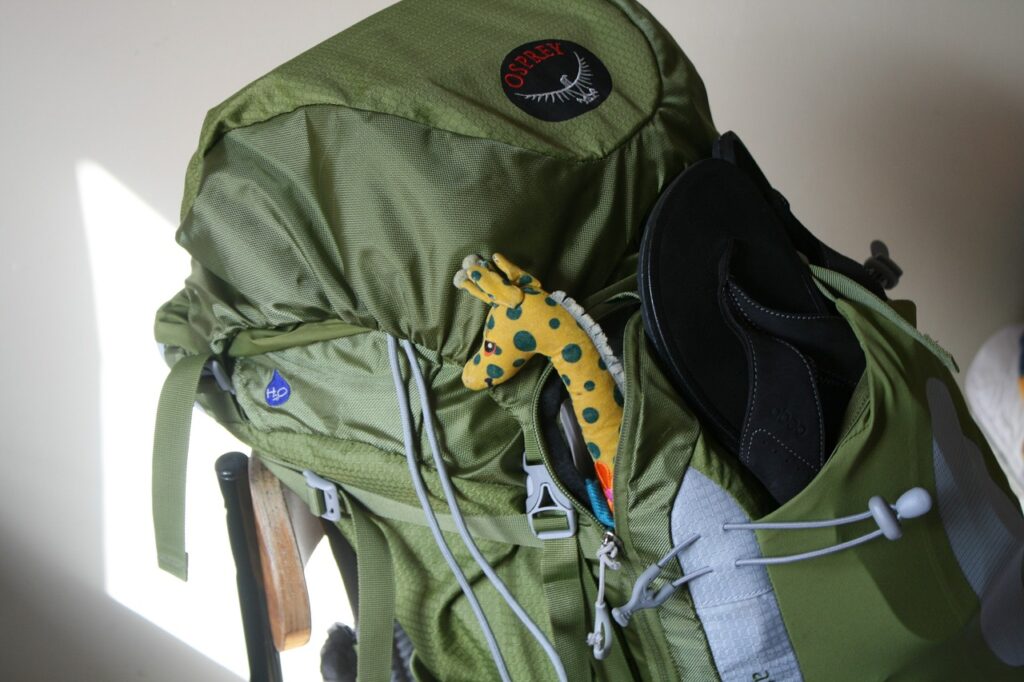
The significance of carry-on only travel extends beyond financial savings; it promotes a minimalist mindset, encouraging travelers to pack efficiently and thoughtfully. Various packing strategies, such as the 3×3 method and the use of packing cubes, enable travelers to maximize space and maintain organization within their luggage. Furthermore, by carefully selecting versatile clothing options and adhering to size and weight restrictions set by airlines, travelers can enhance their overall travel experience while minimizing the hassle often associated with larger suitcases.
Despite its benefits, the carry-on only approach is not without challenges. Travelers must navigate specific airline regulations regarding luggage dimensions, weight limits, and restrictions on liquids, which can vary significantly across carriers. Failure to comply with these guidelines can result in additional fees or the need to check bags unexpectedly.
Additionally, many individuals struggle with common packing mistakes, such as overpacking or last-minute packing, which can detract from the efficiency and enjoyment of their travel experience.
In summary, packing for carry-on only travel is an art that combines practicality with creativity. By understanding the benefits, employing effective packing techniques, and remaining mindful of regulations, travelers can enjoy a smoother journey that allows for greater spontaneity and exploration, ultimately transforming the way they approach their adventures.
Benefits of Carry-On Only Travel
Traveling with only carry-on luggage offers numerous advantages that enhance the overall travel experience. These benefits include convenience, time savings, cost-effectiveness, and reduced stress.
Cost Savings
Traveling with only carry-on luggage can also lead to significant cost savings. Many airlines now impose hefty fees for checked bags, and by avoiding these charges, travelers can allocate their budget towards other aspects of their trip, such as experiences or accommodations.
This financial benefit, combined with the elimination of the need for luggage storage and handling, makes carry-on travel an appealing option for many.
Convenience
One of the primary benefits of carry-on only travel is convenience. With just a small suitcase or backpack, travelers can easily maneuver through airports, train stations, and crowded streets without the burden of dragging heavy luggage behind them.
Additionally, travelers can bypass long lines at baggage claim, heading straight to their destination, which can greatly enhance the overall efficiency of their trip.
Reduced Stress
Carrying less luggage leads to a more relaxed travel experience. Navigating busy airports and dealing with the hassle of delayed or lost luggage can be stressful. By traveling with only a carry-on, individuals can alleviate much of this anxiety, allowing them to focus on enjoying their journey rather than managing excessive baggage.
The simplicity of packing light fosters a more spontaneous and enjoyable travel experience, where travelers can easily adjust their plans without being tethered to large suitcases.
Time Savings
By opting for carry-on luggage, travelers can save valuable time throughout their journey. There is no need to wait in line for checked baggage, and the risk of losing luggage is significantly reduced.
This efficiency allows travelers to walk off the plane and head straight to their next activity, maximizing their time spent exploring new destinations.
Packing Strategies

Packing efficiently is crucial for successful carry-on only travel. Various strategies can help maximize space, minimize wrinkles, and keep items organized.
Efficient Packing Techniques
One of the most popular methods for packing is rolling clothes rather than folding them. This technique not only saves space but also reduces wrinkling, making it easier to see what you have packed at a glance.
Additionally, using packing cubes can significantly enhance organization within your luggage, allowing for easy access to specific items without the need to rummage through everything.
The 3×3 Method
The “3×3 method” is another effective strategy for packing. This approach involves selecting three tops, three bottoms, and three layering pieces, resulting in a total of nine articles of clothing that can yield up to 27 different outfit combinations.
This method provides flexibility while ensuring that you do not overpack.
Maximizing Space
To make the most of available space, utilize every inch in your luggage. For instance, packing socks and underwear inside shoes can free up additional space for other items. Similarly, filling empty spaces, like the insides of hats or the corners of your suitcase, with smaller items such as sunglasses or belts can help optimize packing efficiency.
Versatile Clothing Choices
Choosing versatile clothing is essential. Opt for a neutral color palette that allows for easy coordination between pieces, and consider items that can be mixed and matched to create various outfits. Incorporating items like classic trousers or skirts can also simplify packing while ensuring you are prepared for different occasions.
Additional Tips
When it comes to electronics, consolidating cords into a single bag can help maintain organization. Opting for compact devices, such as tablets instead of laptops, can save space as well.
Moreover, packing toiletries in travel-sized containers is advisable; using liquid pouches can minimize bulk while ensuring that you have all necessary items.
By employing these packing strategies, travelers can achieve a seamless and organized carry-on experience, allowing for both style and efficiency on the go.
Techniques for Maximizing Space
When traveling with carry-on luggage, maximizing space is crucial to ensure all essentials fit without hassle. Here are several effective techniques for packing efficiently.
Use of Packing Cubes
Packing cubes are a popular solution for organization and space optimization. By categorizing items into smaller cubes, travelers can maximize their suitcase capacity and keep belongings tidy. Compression packing cubes, in particular, are highly effective, as they allow users to pack items tightly, reducing the overall volume.
Using multiple smaller cubes instead of a few large ones can provide greater flexibility in packing configurations, making it easier to fit more items into limited space.
Rolling Clothes
Rolling clothing is a time-tested technique that helps save space. Rolled garments can often be squeezed into smaller corners of your bag, allowing for better use of available space compared to traditional folding methods.
To roll clothes effectively, lay the item flat, fold it into a rectangle, and then roll it tightly into a cylinder. This method not only conserves space but also minimizes wrinkles when unpacked.
Multi-Purpose Items
Incorporating multi-purpose items into your packing strategy can significantly reduce the number of items you bring. For example, a sarong can function as a beach cover-up, a scarf, or even a picnic blanket, while a small backpack can double as both a daypack and a personal item for flights.
By selecting versatile pieces, travelers can lighten their load and utilize space more efficiently.
Space-Saving Bags
Using space-saving travel bags is another effective method for maximizing luggage space. These ziplock-style bags allow you to remove air from packed clothes, sometimes reducing their size by over 50%.
Proper sealing and careful packing can make a substantial difference in how much can fit into your carry-on.
Filling Shoes and Gaps
Another smart packing technique involves using shoes to store smaller items, such as socks, undergarments, or other accessories. This not only utilizes space but also keeps fragile items protected. Additionally, filling gaps between larger items with smaller objects, such as belts or scarves, ensures that no space is wasted.
By implementing these techniques, travelers can make the most of their carry-on luggage, enabling a more efficient and organized packing experience.
Restrictions and Regulations

Traveling with only carry-on luggage requires adherence to specific restrictions and regulations set by airlines and security authorities.
Carry-On Size and Weight Limits
Different airlines have varying guidelines for carry-on luggage, with some budget airlines enforcing stricter rules compared to major carriers. Travelers must be vigilant about checking the specific size and weight limits for each airline, as even slight differences can necessitate checking a bag, often incurring significant fees.
Additionally, while personal items typically remain unweighed, the overall dimensions for carry-on bags can vary significantly between airlines, especially among low-cost carriers in Europe, such as Ryanair and easyJet.
Liquids and Gels
The Transportation Security Administration (TSA) imposes strict regulations on liquids, aerosols, gels, creams, and pastes carried in carry-on luggage. Travelers are permitted to bring a quart-sized bag of containers, each limited to 3.4 ounces (100 milliliters) or less. To navigate these restrictions, using solid alternatives, like shampoo bars or reusable travel-sized containers, is recommended.
Security Checks
During security screening, if a carry-on bag triggers an alarm, security personnel may need to inspect its contents, even if the screening is random. Wrapped gifts are particularly problematic, as they may be unwrapped to verify their contents, potentially ruining the presentation.
Additional Packing Considerations

Travelers are encouraged to pack efficiently by wearing bulkier items like jackets or shoes on the plane to maximize space in their carry-ons. Furthermore, the “123456 rule” serves as a practical guideline for packing essentials without overloading luggage, suggesting a balanced approach to outfit variety while maintaining manageable packing.
Common Packing Mistakes
When it comes to packing for travel, many individuals fall into a few common pitfalls that can lead to frustration and unnecessary stress. Understanding these mistakes can help travelers optimize their packing strategies and ensure a smoother journey.
Overpacking
One of the most prevalent mistakes is overpacking, which often stems from a fear of forgetting essential items. This habit can lead to an overstuffed suitcase filled with unnecessary clothing and items that won’t be used during the trip.
To combat this, travelers are advised to create a personalized packing list tailored to their specific needs, rather than relying on generic lists that may include excessive items.
Last-Minute Packing
Packing in a hurry can significantly impact the quality and efficiency of the packing process. Many travelers attempt to pack just hours before their departure, leading to haphazardly thrown items and a greater likelihood of forgetting essentials
. It is generally recommended to begin packing at least a day in advance, allowing for a more thoughtful selection of items.
Lack of Organization
Another common mistake is failing to organize items within the suitcase. Disorganized packing can result in difficulty locating specific items and can also lead to wrinkled clothing.
Utilizing packing cubes or compression bags can provide a structured approach, allowing travelers to categorize their belongings effectively and minimize chaos within the suitcase.
Ignoring Weather Conditions
Many travelers overlook the importance of checking the weather conditions at their destination prior to packing. This oversight can lead to packing inappropriate clothing, either too much for mild weather or inadequate options for unexpected temperature drops.
It is advisable to check weather forecasts closer to the departure date to make informed packing decisions.
Failing to Edit Choices
Before finalizing their packing, travelers often neglect to review and edit their choices. This step is crucial in ensuring that every item packed serves a clear purpose in the travel experience.
By critically assessing each item, travelers can eliminate redundant or seldom-used clothing, resulting in a more manageable and streamlined luggage. By recognizing these common packing mistakes and implementing strategies to avoid them, travelers can enhance their packing efficiency and enjoy a more organized travel experience.
Tips for Smooth Travel

Traveling with only a carry-on can significantly enhance the overall travel experience, but it requires careful planning and organization.
Packing Smart
When packing for a trip, prioritize versatility and comfort in your wardrobe. Choose clothing that can serve multiple purposes and is easy to layer, especially when transitioning between different climates.
Neutral colors can simplify mixing and matching outfits, while accessories like scarves or belts can add a pop of color without taking up much space.
Minimalist Packing Approach
Adopting a minimalist packing strategy can help lighten your load. If in doubt about an item, it’s advisable not to take it, as most necessities can be purchased at your destination.
Aim to include only high-quality, lightweight, and multipurpose items in your carry-on. Over time, experienced travelers often find that their packing lists become shorter as they identify what is truly necessary.
Organizing Your Luggage
Using packing cubes can maximize space and help keep your luggage organized. This method ensures that you can easily access your items without having to rummage through everything in your bag. It’s also beneficial to plan your outfits ahead of time, taking into account the activities and weather at your destination.
Practical Travel Items
Incorporating solid toiletries such as shampoo and conditioner can save space since they do not count toward liquid limits on flights. Additionally, using laundry sheets instead of bulky detergent and bath gloves as a washcloth can minimize weight and size in your luggage. Keep hygiene wipes handy as a replacement for toilet paper and consider makeup remover sheets as they also fall outside the liquid restrictions.
Travel Comfort
To enhance comfort during travel, wear your heaviest clothing items, such as jackets or boots, on the plane to save space in your bag.
Also, consider packing lightweight, breathable clothes that are easy to care for, ensuring that you can maintain comfort throughout your journey.
By following these tips, travelers can enjoy the freedom and ease of traveling with a carry-on allowing them to focus on the experiences that await them rather than the logistics of their luggage. Happy travels!