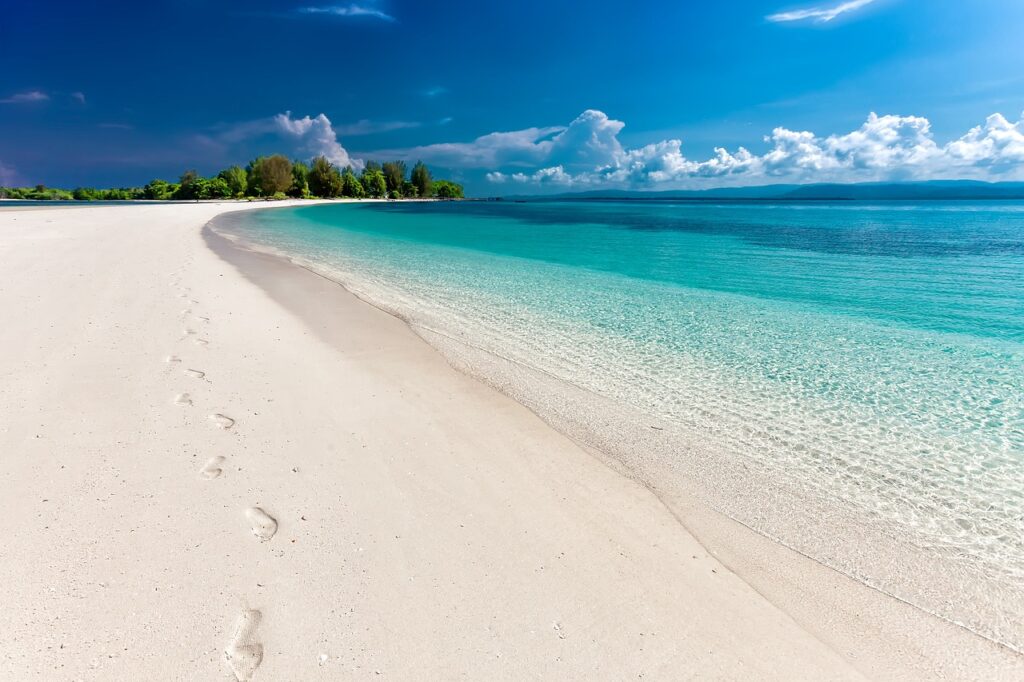
Kenya’s coastline, stretching along the Indian Ocean, is home to some of the most stunning beaches in Africa, attracting tourists for their picturesque landscapes and vibrant marine life. Notable beaches such as Diani, Nyali, and Watamu each offer unique experiences that cater to a variety of interests, from water sports and relaxation to cultural exploration. These are the best beaches in Kenya which significantly contribute to the local economy through tourism, fishing, and shipping, with coastal towns like Mombasa and Malindi serving as key hubs for visitors.
Diani Beach is particularly renowned for its soft white sands and clear blue waters, making it a favorite for water activities like snorkeling and scuba diving which make it one of the best beaches in Kenya . The beach’s serene atmosphere is complemented by breathtaking sunsets, appealing especially to couples and honeymooners.
Nyali Beach, often described as Mombasa’s crown jewel, boasts a lively nightlife scene and numerous beach clubs, attracting both locals and tourists seeking entertainment and relaxation. Meanwhile, Watamu Beach is characterized by its tranquil setting and opportunities for eco-friendly tourism, such as guided sailing trips through mangrove forests.
Despite the allure of Kenya’s beaches, they face significant environmental challenges, including rising sea levels and plastic pollution, which threaten both marine ecosystems and local livelihoods.
Efforts are underway to combat these issues, with community engagement and conservation initiatives becoming increasingly vital to ensure the sustainability of the region’s natural resources. Additionally, the impact of climate change poses risks to the tourism sector, necessitating responsible practices to balance economic growth with environmental preservation.
The beaches of Kenya not only offer recreational opportunities but also play a crucial role in the cultural and economic fabric of the coastal communities. As tourism continues to grow, the challenge remains to manage this growth sustainably while preserving the natural beauty and biodiversity that make these beaches a sought-after destination.
Popular Beaches

Kenya’s coastline is renowned for its stunning beaches, each offering unique experiences that attract tourists from around the globe. The most notable among these are Nyali Beach, Diani Beach, Watamu Beach, and the coastal towns of Mombasa, Malindi, Kwale, and Lamu.
– Diani Beach
Diani Beach is celebrated for its exclusive and tranquil environment. The beach features soft white sand and clear blue waters, perfect for various water sports including snorkeling and scuba diving, while also being home to rich marine life such as dolphins and colorful fish.
The evenings at Diani are particularly enchanting, with breathtaking sunsets that provide a romantic backdrop for couples and honeymooners.
– Watamu Beach
Watamu Beach is characterized by its distinctive coastline dotted with small deserted islets and soft white sand sprinkled with starfish.
This beach is less congested, making it a perfect getaway for those seeking serenity. The calm waters are ideal for snorkeling and deep-sea diving, with opportunities to explore diverse marine life. The area is also home to knowledgeable guides offering sailing trips through the nearby mangroves, enhancing the visitor experience.
– Nyali Beach
Located in the vibrant city of Mombasa, Nyali Beach is often referred to as Mombasa’s crown jewel due to its pristine sands and lively atmosphere.
The beach is lined with beach clubs, restaurants, and nightlife spots, making it a popular destination for both locals and tourists. At night, Nyali Beach comes alive with bars offering live music and clubs where visitors can dance the night away, making it an ideal spot for entertainment and relaxation.
– Coastal Towns
The coastal towns of Mombasa, Malindi, Kwale, and Lamu are synonymous with stunning white sandy beaches that draw thousands of visitors each year.
These towns not only boast beautiful landscapes but also rich histories and cultures, significantly boosting the local economies through tourism, fishing, and shipping. However, these areas face challenges such as rising sea levels due to global warming, which threatens their future reliance on tourism.
Activities Available at the Beaches

Kenya’s beaches offer a plethora of activities catering to diverse interests, from relaxation to adventure.
Water Sports and Recreation
Visitors can engage in a variety of water sports at several beaches. At Galu Beach, for example, activities like windsurfing, kayaking, and stand-up paddleboarding are popular among thrill-seekers.
Nyali Beach also features opportunities for swimming, snorkeling, and beach volleyball, making it an ideal spot for both relaxation and active play.
Additionally, Watamu National Marine Park provides a comprehensive water-sports experience that includes kitesurfing, paddleboarding, and sailing.
Scuba diving is another major attraction at Watamu, with numerous dive profiles available for enthusiasts of all levels, highlighting the area’s vibrant coral reefs and diverse marine life.
Cultural and Culinary Experiences
Beachfront areas often showcase local culture through food and crafts. Vendors at Nyali Beach offer a variety of local delicacies, such as chapati, fried cassava, and fresh fish, which can be enjoyed while soaking in the sun.
Similarly, the vibrant atmosphere at Ukunda Market provides visitors with the chance to shop for traditional crafts, fabrics, and fresh produce, enriching their cultural experience during their beach visit.
Wildlife and Nature Exploration
For wildlife enthusiasts, attractions like the Bora Bora Wildlife Park & Luxury Tented Camp offer opportunities to observe exotic animals in their natural habitat, including giraffes, zebras, and various bird species.
Furthermore, guided tours through locations such as the Kaya Kinondo Sacred Forest allow visitors to connect with local traditions and customs while exploring the lush environment.
Relaxation and Leisure
Many beaches on our list of best beaches in kenya; such as Nyali Beach, are perfect for sunbathing, picnicking, and building sandcastles, providing tranquil spots for those seeking a quieter experience away from the hustle of urban life.
With amenities like private changing booths and beach chair rentals available, visitors can enjoy a comfortable day by the sea.
Environmental Challenges
Kenya’s coastal regions face significant environmental challenges, primarily driven by climate change and plastic pollution. The issue of plastic pollution has become one of the foremost environmental concerns globally, with detrimental impacts on marine ecosystems and biodiversity. The Intergovernmental Panel on Climate Change (IPCC) highlights plastic pollution as a critical factor alongside deforestation that exacerbates climate change effects, threatening wildlife and human health alike.
Despite Kenya’s recent efforts to combat plastic waste, including bans on plastic bags and single-use plastics, the country continues to struggle with pervasive plastic pollution, particularly along its coastline.
The accumulation of plastic waste poses serious risks to marine life and the livelihoods of coastal communities. This is exacerbated by rising sea levels, which threaten coastal habitats and infrastructure, leading to socio-economic vulnerabilities for millions living in these areas.
Initiatives aimed at reversing plastic pollution trends have emerged, focusing on both cleanup efforts and community education about the dangers of environmental pollution. Such programs often involve the participation of local residents, including women and youth, who play vital roles in conservation and knowledge dissemination.
The promotion of a circular economy is seen as essential for not only mitigating plastic waste but also enhancing economic opportunities for vulnerable populations in coastal regions.
Additionally, Kenya faces the broader challenges of climate variability, with extreme weather events increasingly impacting agriculture, tourism, and natural resource management—key sectors for the country’s economy. Climate change-related phenomena such as flooding and droughts further complicate these issues, leading to significant economic losses estimated at 3–4 percent of the country’s Gross Domestic Product annually.
Addressing these interconnected environmental challenges is crucial for the sustainability of Kenya’s beaches and coastal communities.
Conservation Efforts
Conservation efforts in Kenya’s coastal regions are vital for preserving marine biodiversity and supporting local communities. These initiatives, often part of community-based conservation (CBC) projects, aim to balance ecological health with economic development, actively engaging local populations as stakeholders in the management of natural resources.
Marine Conservation Programs
The marine conservation program along the Lamu – Tana River – Kilifi – Mombasa and Kwale seascape is significant for its network of marine protected areas and co-management zones. This framework has been designed to enhance the conservation of marine ecosystems while allowing local communities to utilize these areas sustainably.
By establishing marine protected areas, such as the five currently gazetted by the Kenyan government, these efforts have led to notable increases in fish biomass and recovery of coral and seagrass ecosystems
Community Engagement
Effective conservation relies heavily on community understanding and participation. As highlighted by conservation advocates, the involvement of local communities is crucial for the success of any conservation initiative. Only when communities comprehend the importance of conservation and actively choose to engage in it can long-lasting impacts be achieved.
This is reflected in various projects that have successfully restored marine environments, demonstrating the tangible benefits of conservation efforts for both biodiversity and local livelihoods.
Funding and Support
To implement these extensive conservation measures, substantial funding is necessary. Organizations and local groups are optimistic about securing the required financial support to carry out important conservation initiatives, which not only focus on the present challenges but also consider the needs of future generations.
The integration of responsible tourism, as exemplified by local resorts, further contributes to the overall conservation goals by promoting sustainable practices that benefit both the environment and local communities.
Economic Impact of Tourism

Tourism plays a crucial role in the economy of Kenya, significantly contributing to its overall economic growth and development. The revenue generated from tourism is vital for funding government initiatives, infrastructure development, and public services, thereby enhancing political stability and public support for governance.
Contribution to National Economy
The tourism sector is a major source of foreign exchange earnings, with coastal tourism particularly contributing to local economies and accounting for a significant proportion of income in regions dependent on beach sites and related activities.
In Kenya, tourism is responsible for job creation and the promotion of entrepreneurship, which further stimulates local economies. However, the balance between economic growth and sustainability remains essential, as tourism’s long-term viability relies on the preservation of natural assets and cultural heritage that attract visitors.
Challenges and Environmental Concerns
Despite its economic benefits, tourism also presents challenges that can impact its sustainability. Political instability, conflicts, or security concerns can lead to declines in tourist arrivals, resulting in economic losses and reputational damage to the country.
Additionally, coastal tourism raises environmental concerns due to the potential degradation of marine ecosystems. Tourists’ activities, such as boat operations and construction, can harm delicate coral reefs and other coastal habitats, necessitating responsible tourism practices to mitigate these negative impacts.
Equitable Benefit Distribution
The equitable distribution of tourism-related economic benefits is also a significant concern. Projects that provide clear economic benefits must ensure these advantages are shared among community members, avoiding elite capture that can undermine local support for tourism initiatives.
Successful community-based conservation projects often depend on the ability to share benefits transparently and fairly, enhancing broader community engagement and fostering a more sustainable tourism model.