Nestled in the heart of the Great Rift Valley, Hell’s Gate National Park is one of Kenya’s most unique and accessible parks. Unlike many other wildlife parks in the country, Hell’s Gate allows visitors to explore on foot, by bicycle, or even by rock climbing, offering a thrilling, up-close encounter with nature. If you’re looking to experience Kenya’s natural beauty without the barriers of a safari vehicle, this Hell’s Gate National Park guide is your perfect companion.
In this comprehensive guide, we’ll explore everything you need to know about visiting Hell’s Gate Naivasha, including the best Hell’s Gate hiking trails, what to see, and insider tips to make your visit unforgettable.
1. Introduction to Hell’s Gate National Park
Hell’s Gate National Park is located near the town of Naivasha, about 90 kilometers northwest of Nairobi. Covering an area of approximately 68.25 square kilometers, the park is small by African standards, but it packs a big punch in terms of scenery and activities. The park is named after a narrow break in the cliffs, a remnant of a prehistoric lake that once fed early humans in the Rift Valley.
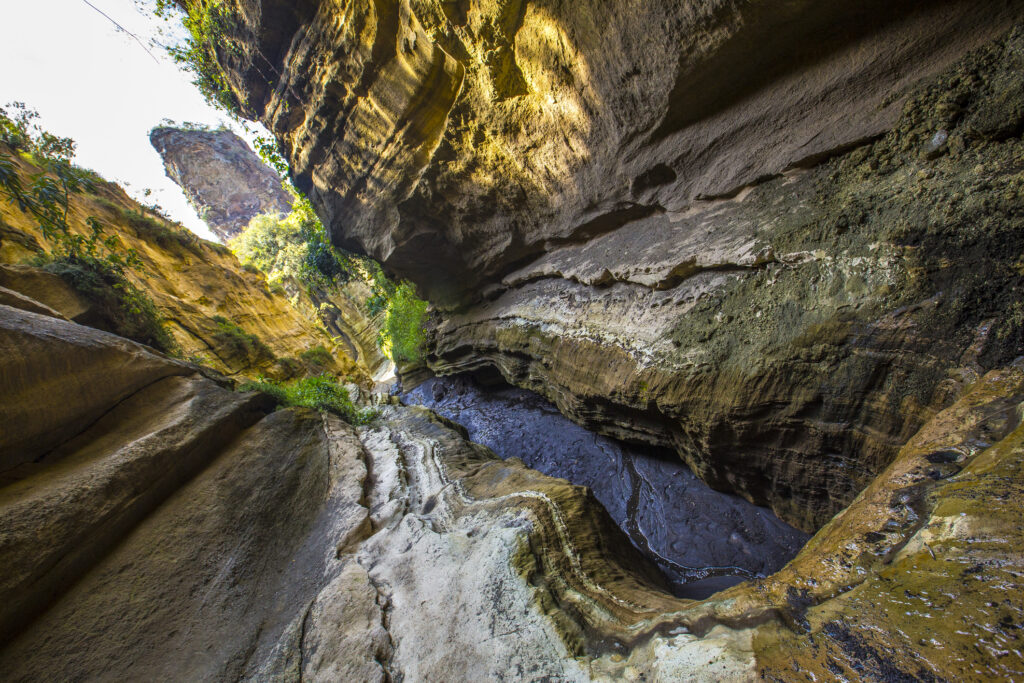
The landscape of Hell’s Gate is dominated by towering cliffs, deep gorges, and geothermal hot springs, making it a paradise for adventurers and nature lovers alike. The park is also home to a variety of wildlife, including zebras, giraffes, buffaloes, and over 100 species of birds, making it a fantastic destination for wildlife enthusiasts.
2. Getting to Hell’s Gate Naivasha
Hell’s Gate National Park is conveniently located near Naivasha, making it an easy day trip from Nairobi. The drive from Nairobi to Hell’s Gate takes about 1.5 to 2 hours, depending on traffic. The road to the park is well-maintained, and you can reach the park by private car, taxi, or public transport.
Transportation Options:
- By Car: If you’re driving, take the Nairobi-Nakuru Highway and turn off at the Naivasha junction. From there, follow the signs to the park entrance. There is ample parking at the main gate.
- By Public Transport: If you prefer public transport, take a matatu (shared minibus) from Nairobi to Naivasha town which should cost 200Ksh to 350Ksh. From Naivasha, you can hire a boda-boda (motorbike taxi), take a matatu (which should cost 70Ksh to 100Ksh) or take a taxi to the park entrance.
Insider Tip: If you’re planning to cycle through the park, you can rent bicycles at the entrance or from nearby lodges. Cycling through Hell’s Gate is one of the most popular ways to explore the park.
3. Exploring Hell’s Gate Hiking Trails
One of the main attractions of Hell’s Gate National Park is its network of hiking trails. Whether you’re an experienced hiker or a casual walker, there’s a trail for you. The Hell’s Gate hiking trails take you through some of the most stunning landscapes in the Rift Valley, with opportunities to see wildlife and geological formations up close.
Top Hiking Trails:
- Fischer’s Tower Trail: This short but scenic trail leads you to Fischer’s Tower, a towering rock formation named after German explorer Gustav Fischer. The tower is popular with rock climbers, but even if you’re not climbing, the walk offers beautiful views of the surrounding cliffs and valleys. Keep an eye out for the resident rock hyraxes that live around the tower.
- Central Tower and Gorge Trail: This trail takes you deeper into the park, leading you to the impressive Central Tower. From here, you can descend into the Ol Njorowa Gorge, a narrow canyon with steep walls and geothermal hot springs. The gorge hike is a bit more challenging, with some sections requiring you to scramble over rocks or wade through water, but the experience is well worth the effort. The geothermal steam vents and bubbling springs create an otherworldly atmosphere.
- Lower Gorge Trail: For those looking for a longer hike, the Lower Gorge Trail offers a more extended trek through the park. This trail takes you through a series of smaller gorges, past hot springs, and along the edge of the cliff, offering stunning views of the park’s dramatic landscape. The trail eventually loops back to the main entrance, making it a great option for a full-day hike.
Insider Tip: The best time to hike in Hell’s Gate is early in the morning or late in the afternoon when the temperatures are cooler. Be sure to bring plenty of water, sunscreen, and a hat, as there is little shade along the trails.
4. Rock Climbing in Hell’s Gate
Hell’s Gate Naivasha is one of the few places in Kenya where you can go rock climbing. The park’s towering cliffs and rock formations, particularly Fischer’s Tower and Central Tower, offer excellent climbing opportunities for both beginners and experienced climbers at an extra cost of 1000Ksh for residents to 2000Ksh which you can negotiate for.

Rock Climbing Highlights:
- Fischer’s Tower: This 25-meter-high volcanic plug is the most popular climbing spot in the park. The routes here range from easy to moderately difficult, making it a great spot for climbers of all levels. If you’re new to climbing, local guides are available to provide instruction and equipment.
- Central Tower: For more experienced climbers, the Central Tower offers a more challenging ascent. The climb is longer and steeper, with breathtaking views of the park from the top. The climb is best attempted with a guide, as the routes can be difficult to navigate.
Insider Tip: If you’re planning to climb, check with the park authorities or local tour operators for current conditions and recommended guides. It’s also a good idea to book your climbing session in advance, especially during peak tourist season.
5. Wildlife Viewing in Hell’s Gate National Park
While Hell’s Gate may not have the big cats or elephants found in other Kenyan parks, it still offers excellent wildlife viewing opportunities. The park’s open plains and rugged terrain are home to a variety of animals, many of which are easily spotted during your hike or bike ride.

Wildlife to Look Out For:
- Zebras and Giraffes: These are among the most commonly seen animals in the park. Zebras are often found grazing in the open grasslands, while giraffes can be spotted browsing on the acacia trees.
- Buffaloes: While less common, buffaloes are also present in the park. They tend to stay in the more remote areas, so keep a safe distance if you encounter them.
- Birds: Hell’s Gate is a birdwatcher’s paradise, with over 100 species recorded in the park. Look out for the striking Verreaux’s eagle, augur buzzard, and various vultures that soar above the cliffs. The park’s cliffs also provide nesting sites for the endangered Rüppell’s griffon vulture.
Insider Tip: For the best chance of spotting wildlife, visit early in the morning or late in the afternoon when animals are most active. Binoculars can enhance your wildlife viewing experience, especially for birdwatching.
6. Cultural Experiences near Hell’s Gate
In addition to its natural beauty, Hell’s Gate Naivasha is also close to several cultural sites that offer a glimpse into the local Maasai culture. Visiting these sites can add a rich cultural dimension to your trip.
Cultural Highlights:
- Maasai Villages: Several Maasai villages near Hell’s Gate welcome visitors for cultural tours. These tours typically include a visit to a traditional Maasai homestead (manyatta), where you can learn about Maasai customs, dress, and way of life. You may also have the opportunity to watch traditional Maasai dances and purchase handmade crafts.
- Olkaria Geothermal Spa: Located near the park, the Olkaria Geothermal Spa is a great place to relax after a day of hiking and exploring. The spa is fed by natural hot springs, and the warm, mineral-rich waters are said to have therapeutic properties. The spa also offers stunning views of the surrounding landscape, including the steaming fumaroles of the Olkaria Geothermal Plant.
Insider Tip: When visiting Maasai villages, it’s customary to offer a small donation or purchase a craft item to support the local community. Always ask for permission before taking photos of people or their homes.
7. Planning Your Visit to Hell’s Gate National Park
To make the most of your visit to Hell’s Gate, it’s essential to plan ahead. From choosing the best time to visit to packing the right gear, here are some tips to help you prepare.
Best Time to Visit:
The best time to visit Hell’s Gate National Park is during the dry seasons, from June to October and January to February. During these months, the weather is cool and dry, making it ideal for hiking and other outdoor activities. The wet season (March to May and November to December) can make some trails slippery and more challenging to navigate.
What to Bring:
- Water and Snacks: There are no shops or restaurants inside the park, so be sure to bring plenty of water and snacks to keep you fueled during your adventure.
- Sun Protection: The sun can be intense, especially during midday, so pack a hat, sunglasses, and sunscreen.
- Sturdy Footwear: Whether you’re hiking or cycling, sturdy shoes are a must. The terrain can be rocky and uneven, so proper footwear will keep you comfortable and safe.
- Camera or Binoculars: The park offers incredible photo opportunities, so don’t forget your camera. Binoculars are also useful for spotting wildlife and birds at a distance.
Entrance Fees:
As of the latest update, the entrance fee for Hell’s Gate National Park is approximately 27 usd for non-resident adults and Ksh 300 for Kenyan citizens. Children and students enjoy discounted rates. It’s always a good idea to check the Kenya Wildlife Service