Too Busy to Read? Plug In and Listen Instead! 🎧 Our Blog’s Gone Podcast!
Nairobi Travel Tips provide essential guidance for travelers looking to explore Kenya’s vibrant capital. Notable for its rich cultural heritage, stunning wildlife, and diverse culinary scene, Nairobi serves as both a gateway to Kenya’s national parks and a bustling urban center.
The city’s unique blend of modernity and tradition makes it a popular destination for both leisure and business travelers, drawing millions each year to experience its attractions, such as the Nairobi National Museum, the Giraffe Center, and the bustling markets. Understanding the best times to visit is crucial for maximizing the experience.
The dry season from June to October coincides with the Great Migration, attracting tourists eager to witness this spectacular wildlife event. Conversely, the rainy season offers a lush landscape and fewer crowds, although travelers should be mindful of potential health concerns, such as increased mosquito activity during these months. Key safety and health considerations, including vaccination requirements and general travel precautions, are vital for ensuring a safe journey.
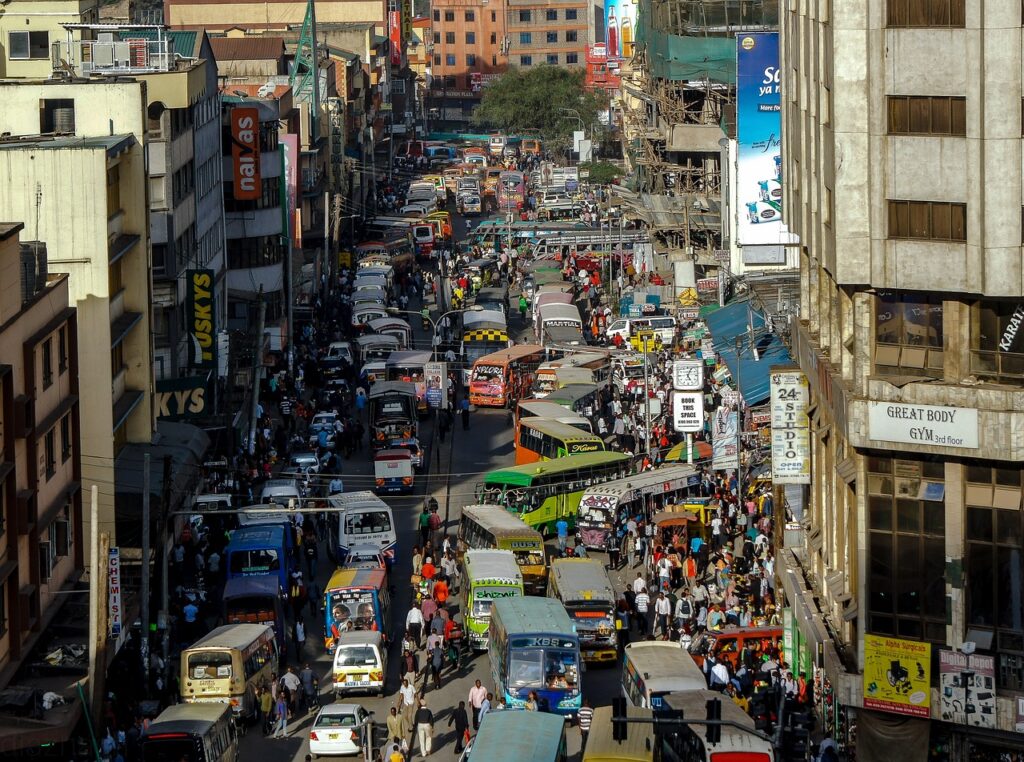
Getting to and around Nairobi involves navigating a complex transportation network, with options ranging from international airports to local matatus (minibuses). While public transport can be challenging due to traffic congestion and safety concerns, reliable alternatives like taxis and ride-hailing services are widely available. Moreover, a range of accommodations caters to diverse budgets, from luxurious hotels to budget-friendly hostels, ensuring that every traveler can find suitable lodging.
Controversies surrounding Nairobi travel often focus on safety, health risks, and environmental concerns, emphasizing the importance of staying informed and vigilant. Travelers are encouraged to respect local customs and engage in eco-friendly practices, contributing positively to the city’s cultural and environmental landscape.
Best Times to Visit
Nairobi offers a variety of experiences throughout the year, but certain times are particularly favorable for travelers. The best time to visit is during the dry season, which runs from June to October. This period coincides with the Great Migration, when over one million wildebeest and hundreds of thousands of zebras cross from Tanzania into Kenya in search of food and water. The Maasai Mara National Reserve is a prime viewing spot for this incredible spectacle, making it a popular destination for visitors during these months.
For those seeking a less crowded experience, the rainy season towards the end of the year may be ideal. While this period sees fewer tourists, the landscape becomes lush and vibrant, particularly in December when newborn animals are often spotted. However, travelers should be cautious of increased mosquito activity during this time, and heavy rains in April and May can lead to flooded roads and limited animal sightings.
Temperatures in Nairobi are generally consistent year-round, with daytime highs ranging from the 60s to low 80s Fahrenheit and nighttime lows hovering around 50°F. For the warmest and driest weather, the months from mid-December to March are recommended. During these months, the weather is pleasant, and outdoor activities can be enjoyed without the hindrance of rain.
Travelers should also consider the potential for chilly weather in June and July, the coldest months in Nairobi, and pack accordingly to ensure comfort during their stay.
Getting There
Traveling to Nairobi requires careful preparation to ensure a smooth entry. One of the first steps is to address the entry prerequisites, which include obtaining the necessary visas. It is essential to check the visa requirements based on your nationality and the purpose of your visit, as many travelers will need to secure a visa in advance or may qualify for a visa on arrival.
Additionally, your passport should be valid for at least six months beyond your planned departure date from Kenya.
Airport Information
Nairobi is served by two main airports: Jomo Kenyatta International Airport (JKIA) and Wilson Airport. JKIA is the primary hub for international flights, while Wilson Airport primarily handles domestic and regional flights. If you arrive at JKIA, you can take yellow airport taxis, which are generally safe, or arrange for transportation through a hotel shuttle service.
For those arriving at Wilson Airport, taxis and ride-hailing services like Uber and Bolt are readily available for convenient transfers to the city.
Transportation Options
For travelers needing to transfer between terminals at JKIA or Wilson Airport, free shuttle buses operate to facilitate easy movement. Public transportation options are limited, as there are no direct buses to JKIA, but travelers can take a matatu or bus to the city center and then switch to another mode of transport.
For long-distance travel, domestic airlines such as Kenya Airways and Fly540 offer flights to various destinations within Kenya, providing a faster alternative to road travel.
Health and Safety Considerations
Before traveling, it is advisable to check health requirements, such as the need for a yellow fever vaccination, which depends on the country of origin.
As of September 2023, there are no COVID-19-related restrictions for entering Nairobi, making it easier for travelers to plan their trips.
Visitors are encouraged to stay vigilant regarding safety, particularly in crowded areas, and to utilize reputable transportation options.
Accommodations
Nairobi offers a diverse range of accommodations to suit various preferences and budgets, from luxurious hotels to budget-friendly hostels.

Luxury Accommodations
– Basecamp Wilderness
Basecamp Wilderness provides a unique ‘under-canvas’ experience with 12 deluxe tents, each designed for supreme comfort. These tents feature king-sized beds, eco-friendly en-suite bathrooms, and private verandas overlooking the Mara River, making it an ideal choice for nature lovers.
The camp is thoughtfully constructed using locally sourced materials, integrating seamlessly into the surrounding environment while offering high-quality amenities.
– The Hemingways Nairobi
Located in the affluent Karen neighborhood, The Hemingways Nairobi is known for its spacious rooms and a variety of dining options. Guests can easily access nearby attractions such as the Karen Blixen Museum and the Giraffe Center, ensuring a convenient and luxurious stay.
– The Fairmont Norfolk
Another historic luxury option, The Fairmont Norfolk, is situated in the central business district. It offers spacious accommodations and is close to key cultural sites like the Nairobi National Museum and the Nairobi Gallery, making it an excellent choice for those seeking both comfort and cultural immersion.
Mid-Range Options
– The Sarova Stanley
The Sarova Stanley is a historic hotel located in the central business district. It features spacious rooms and various dining options, close to attractions such as the Nairobi National Museum, providing a good balance of comfort and accessibility.
– The Tribe Hotel
Set in the trendy Gigiri neighborhood, The Tribe Hotel offers stylish rooms and a variety of dining options. Its proximity to the United Nations headquarters and the Village Market shopping center makes it a popular choice among both business and leisure travelers.
Budget-Friendly Accommodations
– Global Village, Ladies Hostels
For travelers on a budget, Global Village, Ladies Hostels offers a shared lounge and free WiFi, situated within walking distance of the Nairobi National Museum. This option is particularly suitable for solo female travelers seeking a safe and sociable environment.
– Manyatta Backpackers
Another economical choice, Manyatta Backpackers, features a restaurant and terrace, offering both twin rooms and dormitory-style accommodations. The property provides free Wi-Fi and is conveniently located near the city center, catering to the needs of budget-conscious travelers without sacrificing comfort.
Transportation within Nairobi
Navigating Nairobi can be challenging due to its complex and often congested traffic conditions. As a city that has grown beyond its initial design, the transport infrastructure is continually evolving to meet the needs of its residents and visitors.

Public Transport Options
Matatus
Matatus, privately owned minibuses, are a prevalent mode of transport, catering to around 3 million of the city’s 4.5 million commuters. These vehicles are often vibrantly decorated and equipped with music and TV screens, making them a colorful part of Nairobi’s transport landscape.
However, matatus can be crowded and may employ aggressive driving styles. Conductors usually collect fares and provide route information, but issues with fare transparency can arise, as prices may vary unexpectedly.
Buses
Buses are another option and are considered more reliable than matatus for several reasons:
- They follow specific routes, which helps passengers navigate their journeys more easily.
- Pick-up and drop-off points are well-defined, making transit planning simpler.
- Clear route advertisements at bus stops help travelers identify the correct bus.
- While buses can have long lines during peak hours, they generally offer a safer and less stressful experience compared to matatus. Additionally, bus fares are displayed prominently, reducing the chances of being overcharged.
Traffic Conditions
Nairobi has been ranked as the 4th most congested city in the world, with a significant economic impact estimated at around $1 billion per year due to traffic jams.
Commuting distances that would typically take an hour can extend to several hours during peak times. The Nairobi Metropolitan Transport Master Plan aims to alleviate these issues, yet a traffic-free environment remains a distant goal.
Taxi and Ride-Hailing Services
Taxis can be hailed on the street or booked via reputable companies and ride-hailing apps like Uber and Bolt. These services are generally perceived as safe and cost-effective options for getting around the city. When using taxis, it’s advisable to ensure the meter is running or to negotiate the fare in advance. Sharing your trip details with a friend can enhance safety.
Car Rentals
For those who prefer driving, car rental services are available, although they are less common. Familiarity with local traffic rules and conditions is essential for a safe driving experience.
Ride-hailing apps are recommended for those unfamiliar with Nairobi, as they provide a convenient way to navigate the city while ensuring a level of safety and accountability.
Safety Tips
When navigating the Nairobi transportation system, prioritizing safety is crucial. Following specific guidelines can enhance your travel experience and help minimize risks.

Public Transportation Safety
– Be Aware of Your Surroundings
Always stay vigilant while using public transportation. Keep your bags and valuables close to prevent theft or pickpocketing.
– Plan Your Journey
Research the routes and schedules of matatus, buses, and trains in advance. Being informed about timings and expected journey durations can prevent you from being stranded in unfamiliar areas.
– Use Safe Stops and Stations
Opt for well-lit and populated stops or stations when waiting for public transportation. This practice can help deter potential safety risks.
– Seek Local Advice
Consult locals, hotel staff, or trusted sources for insights on safe routes and areas to avoid. This local knowledge can be invaluable for ensuring your safety
Health and Medical Precautions
– Obtain Travel Insurance
G Adventures mandates that all travelers secure travel medical insurance with a minimum coverage of USD$200,000, including emergency evacuation and repatriation. This is particularly important in remote areas where large medical facilities may only be accessible via air ambulance.
– Health Care Preparation
Before traveling, ensure all vaccinations are up-to-date and familiarize yourself with the health risks specific to the areas you plan to visit. Consult with a travel medical clinic for tailored advice on necessary vaccinations and medications, including malaria pills if required.
– Food and Water Safety
To avoid foodborne illnesses, eat well-cooked meals at busy establishments and avoid salads or fruits that can’t be peeled unless prepared with bottled water. If traveling with a tour group, seek meal recommendations from your trip leader.
General Health Tips
– Personal Hygiene
Maintain personal hygiene by washing hands frequently, especially when soap and water are not available. Use hand sanitizer with at least 60% alcohol content.
– Disease Prevention
Be cautious around individuals who appear sick and cover your mouth and nose when coughing or sneezing. If you feel unwell, consider staying in your accommodation unless medical care is needed.
– Hydration and Sun Protection
Stay hydrated and protect yourself from heat-related illnesses. Wear sunscreen and appropriate clothing to safeguard against UV radiation, especially during outdoor activities. By adhering to these safety tips and staying alert, you can navigate Nairobi with greater confidence and minimize potential risks.
Things to Do
Cultural Experiences
– Bomas of Kenya
To delve into Kenya’s rich cultural tapestry, a visit to Bomas of Kenya is a must. The term “boma” means “homestead” in Swahili, and the center aims to showcase and preserve the country’s diverse ethnic heritage. This cultural center features performances and exhibitions that highlight traditional music, dance, and crafts from various Kenyan communities, providing a vibrant glimpse into the nation’s cultural life.
– Nairobi National Museum
For history enthusiasts, the Nairobi National Museum presents a comprehensive overview of Kenya’s cultural, historical, and natural history. Established in 1910, it is one of the oldest museums in East Africa, showcasing a vast collection of artifacts and exhibits. The entrance fee is approximately KSH 1,200 (about US$8), making it a valuable stop for those looking to learn more about Kenya’s past and its people.
Shopping and Entertainment
One of the top destinations in Nairobi is The Village Market, or VIMA, located in the upscale Gigiri neighborhood, known for its proximity to the UN headquarters. This shopping and entertainment center features a diverse array of shops, boutiques, and eateries, offering a unique shopping experience with a design that mimics a traditional African village, complete with thatched roofs and red clay walls.
Visitors can find clothing, jewelry, household goods, and local crafts, making it an ideal spot for gifts and souvenirs.
Wildlife Interaction
– Giraffe Center
Another unique attraction is the Giraffe Center, dedicated to the conservation of the endangered Rothschild giraffe. Here, visitors can feed giraffes from an elevated platform, offering an unforgettable experience of interacting with these gentle giants. The center also includes a gift shop and café, with entry fees supporting its conservation efforts.
Adventure and Nature
For those seeking adventure, Nairobi offers activities like safaris in Nairobi National Park, where visitors can encounter wildlife in their natural habitat. Additionally, the scenic Karura Forest is perfect for outdoor activities like hiking and picnicking. Food lovers will enjoy exploring the vibrant culinary scene, with local markets providing an opportunity to sample traditional Kenyan dishes and unique items.
Festivals and Events
Visitors to Nairobi can also partake in various cultural festivals that celebrate the local heritage. The Lamu Cultural Festival, for instance, showcases traditional dances, local crafts, and culinary delights, while the Lake Turkana Festival offers insights into the customs and traditions of Northern Kenya’s ethnic groups.
Such events provide an enriching way to experience Kenya’s cultural diversity firsthand.
Dining and Cuisine
Nairobi offers a rich culinary landscape that reflects its diverse culture and vibrant atmosphere. From traditional Kenyan dishes to international cuisines, the dining experience in the city is one that engages all the senses, making it an integral part of any visit.

Traditional Kenyan Delicacies
A must-try dish in Nairobi is nyama choma, which refers to grilled meat, commonly enjoyed with ugali (a type of maize porridge). Njuguna’s Place is a popular spot where visitors can indulge in this delicacy along with a selection of beers and other beverages.
Another notable establishment is The Carnivore Restaurant, renowned for its unique assortment of meats, including game options, in an all-you-can-eat BBQ format
Popular Restaurants
Nairobi boasts a variety of restaurants catering to different tastes. CJ’s is famous for its generous servings of chicken wings and offers a delightful ambiance at its multiple branches throughout the city.
For a more upscale dining experience, INTI provides a Nikkei culinary journey with dishes like sashimi and shrimp ramen chupe, set against a chic, modern backdrop.
Unique Dining Experiences
For those seeking something distinctive, Talisman Restaurant is celebrated for its outdoor seating and diverse menu, which includes favorites like Kung Pao Chicken and Salt & Pepper Squid.
Similarly, Boho Eatery stands out for its artistic presentation of vegan dishes and is touted as one of the best breakfast spots in Nairobi.
Dietary Considerations
Nairobi’s dining scene accommodates various dietary preferences, offering vegetarian and vegan options in many restaurants. It’s advisable to communicate any dietary restrictions to your server to enhance your dining experience.
Etiquette and Cultural Norms
Understanding the etiquette and cultural norms in Nairobi is essential for a respectful and enjoyable travel experience.
Dining Etiquette
Dining practices in Kenya can be quite formal and vary based on ethnicity and social status. Guests are typically expected to wash their hands before and after meals, and sometimes a washing basin is provided at the table for this purpose.
The honored guest is usually served first, followed by men, children, and women, and it is considered impolite to begin eating until the eldest male has been served and has started eating.
Eating and Drinking
In Kenya, it is customary to eat with the right hand, and if utensils are offered, they should also be held in the right hand.
Drinking and eating at the same time is generally frowned upon, as beverages are typically served after the meal.
Guests should also refrain from pouring their own drinks and instead wait to be served.
When toasting, if you are the honored guest, it is not necessary to make a toast, but a small compliment will be appreciated.
Greetings
Greetings play a crucial role in Kenyan culture. A handshake is common, often accompanied by inquiries about the other person’s well-being, family, and business.
It is considered respectful to lower one’s eyes when greeting someone of higher status or age.
When addressing individuals, it is important to use their academic, professional, or honorific title followed by their surname. Gifts, when presented, should be offered with the right hand or both hands, and alcohol should only be brought if you know the host drinks
Dress Code
Modesty in dress is important, especially when visiting religious sites or rural areas. Travelers are encouraged to wear clothing that covers shoulders and knees as a sign of respect for local customs.
This simple consideration can greatly enhance interactions with locals and contribute to a positive experience.
Eco-Friendly Practices
When traveling to Nairobi, selecting eco-friendly accommodations is a significant way to contribute to sustainability efforts in the region. Visitors can enhance their travel experience while supporting environmentally responsible businesses. Here are some effective strategies for finding and enjoying eco-friendly options in Nairobi.
How to Find Eco-Friendly Accommodations
Travelers looking for sustainable places to stay can take several steps:
- Read Reviews: Online reviews often highlight the eco-friendly practices of accommodations and the experiences of past guests.
- Contact the Property: Directly inquiring about a property’s sustainability efforts can provide insights into their commitment to environmental conservation.
- Check for Green Initiatives: Many eco-friendly hotels showcase their energy-saving measures, water conservation efforts, and community involvement on their websites.
- Look for Certifications: When booking, seek out establishments with certifications from recognized environmental organizations, such as Green Key or EarthCheck, to ensure they meet high sustainability standards.
Notable Eco-Friendly Accommodations in Nairobi
– The Sarova Stanley Nairobi
The Sarova Stanley, a historic hotel in the heart of Nairobi, blends luxury with sustainability. The hotel implements energy-efficient lighting and waste management practices while supporting local charities.
Guests can enjoy beautiful gardens and an eco-friendly restaurant that sources locally-grown ingredients.
– The Greenhouse Hotel
Designed with sustainability in mind, The Greenhouse Hotel is a modern eco-lodge that utilizes solar energy, water-efficient fixtures, and natural materials throughout its design.
The hotel emphasizes reducing its carbon footprint and promoting green practices.
– Wildebeest Eco Camp
For a unique and rustic experience, Wildebeest Eco Camp offers solar-powered tents and a commitment to minimizing environmental impact.
Visitors can explore the nearby Nairobi National Park and engage in eco-friendly activities like nature walks and conservation talks.
Importance of Sustainable Tourism
Sustainable tourism not only preserves the environment but also supports local communities through initiatives that empower local businesses and promote responsible travel practices.
By choosing eco-friendly accommodations, travelers play a vital role in fostering a tourism model that values environmental conservation and cultural heritage.