Skip the Reading, Save Your Eyes – Let Your Ears Do the Work! 🎙️ Tune in to Our Blog Podcast!
Kenya is a renowned travel destination in East Africa, celebrated for its stunning landscapes, diverse wildlife, and rich cultural heritage. With so many incredible places to visit in Kenya, the country attracts millions of visitors annually, offering an array of experiences from breathtaking safaris in its numerous national parks to relaxing days on pristine beaches along the coast. Notable cities such as Nairobi, Mombasa, and Lamu provide a glimpse into Kenya’s vibrant history, while its natural wonders—including the Great Rift Valley and various lakes—present opportunities for adventure and eco-tourism. Whether you’re exploring bustling markets or embarking on thrilling wildlife encounters, you’ll find that each of these places to visit in Kenya has something unique to offer.
Nairobi, the capital and largest city, is known for its unique blend of urban life and proximity to wildlife, exemplified by Nairobi National Park, which lies just outside the city limits. It’s one of the must-see places to visit in Kenya for nature lovers and urban explorers alike. Meanwhile, Mombasa, Kenya’s coastal gem, boasts a rich history influenced by diverse cultures, alongside stunning beaches and coral reefs that make it another top destination among the many places to visit in Kenya. Lamu, recognized for its well-preserved Swahili architecture and UNESCO World Heritage status, showcases the country’s cultural depth and offers visitors a chance to explore traditional lifestyles—making it an essential stop on any itinerary of places to visit in Kenya.
The nation’s natural attractions are equally compelling, with iconic parks like Amboseli, Tsavo, and the Maasai Mara ranking among the top places to visit in Kenya. Here, visitors can witness the Great Migration; a spectacular phenomenon of wildlife movement that draws nature enthusiasts from around the globe. Each of these remarkable locations offers unique experiences and breathtaking scenery, making them essential stops for anyone exploring the diverse places to visit in Kenya.
However, the booming tourism industry also faces challenges, such as environmental concerns and the socio-economic impact on local communities. Balancing the benefits of tourism with conservation and community empowerment remains a critical aspect of Kenya’s travel narrative. Overall, Kenya’s reputation as a prime travel destination is underscored by its rich biodiversity, cultural richness, and the array of activities available, ranging from wildlife safaris and hiking to historical exploration and eco-tourism initiatives. Visitors are encouraged to engage responsibly with the environment and local communities to ensure that Kenya’s natural and cultural treasures are preserved for future generations.
Major Cities
Nairobi
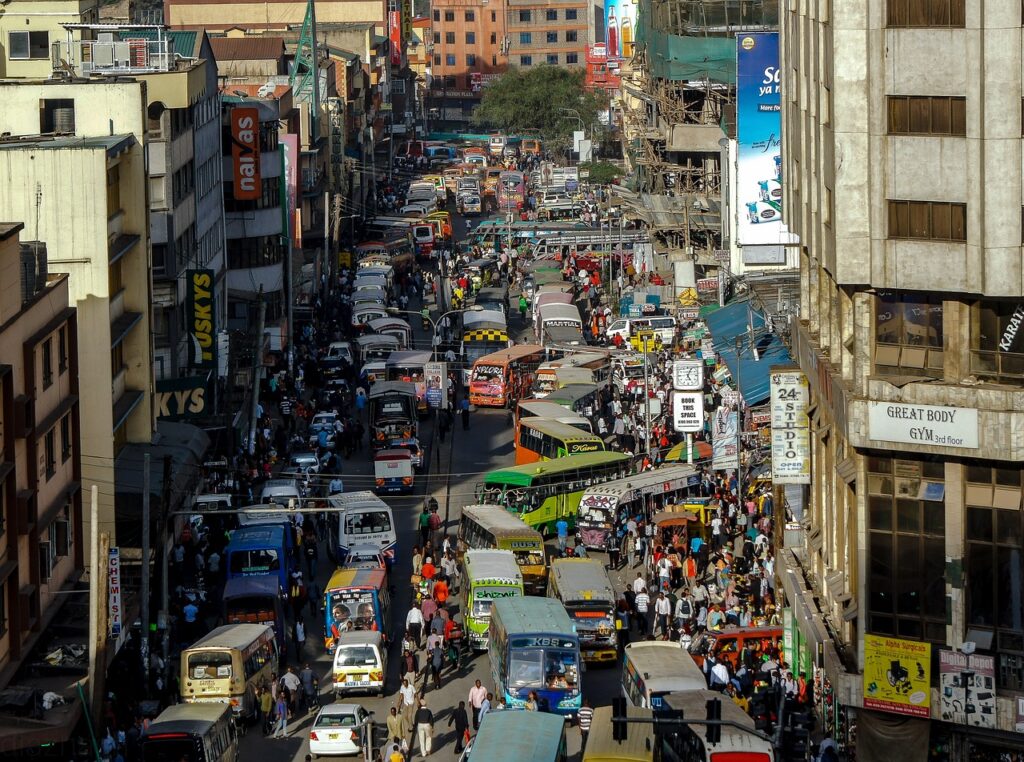
Nairobi, initially established as a rail depot by the British, has grown to become the capital and largest city of Kenya.
Today, it is a vibrant metropolis known for its rich culture, bustling nightlife, and diverse culinary scene. Major attractions include the Nairobi National Museum, which showcases the country’s natural and cultural history, and the nearby Nairobi National Park, a unique wildlife reserve located just outside the city center.
While Nairobi offers numerous activities and sights, visitors are advised to remain vigilant due to potential safety concerns, particularly at night.
Mombasa
Mombasa, Kenya’s coastal city, is steeped in history and known for its beautiful beaches and coral reefs. The city offers a mix of cultural experiences, with architecture influenced by Arabic, Indian, and Swahili designs.
Visitors can enjoy activities such as snorkeling and diving in the rich waters, as well as relaxing on the soft, white sands of its beaches.
The city also serves as a gateway to exploring tropical islands that reflect a deep Swahili heritage.
Lamu
Lamu is renowned for its well-preserved Old Town, characterized by narrow streets and a unique blend of African, Arab, Indian, and Persian architectural styles.
The town’s historical significance is evident in its coral stone buildings and intricately carved wooden doors. Lamu’s cultural landscape offers visitors a glimpse into traditional Swahili life, with the majority of its population adhering to Islamic customs. Notable attractions include Lamu Fort and the Lamu Museum, which highlight the region’s rich nautical history.
Natural Attractions

Kenya is renowned for its stunning natural attractions, which include diverse ecosystems, breathtaking landscapes, and a rich array of wildlife. These features draw numerous tourists seeking adventure and a closer connection to nature.
National Parks and Reserves
– Amboseli National Park
Situated in the Rift Valley, Amboseli National Park is renowned for its accessibility to wild elephants and other iconic African wildlife such as lions, cheetahs, and zebras. The park covers 39,206 hectares and provides stunning views of Mount Kilimanjaro, the world’s highest free-standing mountain, which serves as a dramatic backdrop for wildlife safaris.
Visitors can enjoy various activities, including game drives, horseback rides, and walking safaris.
– Hell’s Gate National Park
Just south of Lake Naivasha, Hell’s Gate National Park is known for its spectacular scenery and natural features, such as red cliffs and geothermal activity. Visitors can engage in mountain biking and rock climbing while observing wildlife, including zebra and antelope, and over species of birds, including the rare bearded vulture.
– Tsavo East and Tsavo West National Parks
Collectively, Tsavo East and Tsavo West National Parks form one of Kenya’s largest protected areas. The parks are famous for their diverse wildlife, including elephants and rhinos, and stunning landscapes shaped by the Tsavo River.
Visitors to these parks often enjoy scenic views and opportunities to see various animals in their natural habitat. These natural attractions make Kenya a premier destination for wildlife enthusiasts and nature lovers alike, offering unforgettable experiences amid the country’s rich biodiversity.
Lakes and Wildlife

– Lake Naivasha
Lake Naivasha, with a surface area of 139 km², is a prominent attraction in Kenya. The name “Naivasha” comes from a Maasai word meaning “rough water,” indicative of the sudden storms that can arise on the lake.
Visitors can enjoy cruises to spot various bird species, including cormorants, pelicans, and the striking greater and lesser flamingos that line the lake edges.
The area is also known for its scenic beauty and opportunities for birdwatching.
– Lake Nakuru
Another significant body of water is Lake Nakuru, part of the Lake Nakuru National Park. This picturesque lake is famous for its abundant flamingos and impressive scenery, including reflections of the Laikipia escarpment.
Wildlife enthusiasts may also encounter other species such as rhinos and kudu within the park’s protected environment.
– Lake Victoria
As the largest lake in Africa, Lake Victoria offers stunning views and a variety of activities for visitors. It is home to around 200 fish species, including economically important ones like tilapia, though wildlife is less abundant compared to nearby lakes.
The lake is an excellent spot for relaxation and birdwatching, featuring beautiful islands for exploration.
– Lake Bogoria
Located in a volcanic region, Lake Bogoria is a shallow salt lake known for its hot springs and geysers. It is a sanctuary for lesser flamingos and offers a unique geological spectacle, making it a popular day trip destination.
Cultural and Historical Sites

Kenya is rich in cultural and historical heritage, offering a variety of sites that reflect the country’s diverse history and traditions.
– Lamu Old Town
Lamu Old Town is a UNESCO World Heritage site and one of the best-preserved examples of Swahili culture. With its distinctive architecture made from coral stone and mangrove wood, the town features labyrinthine streets that have been inhabited for over 700 years. Historically significant as a former port, it was once closely associated with the slave trade and the export of ivory. Visitors can explore the Lamu Fort, built in the 14th century, and the Lamu Museum, which showcases a collection of ethnographic materials that highlight the area’s rich cultural heritage.
– Fort Jesus
Located in Mombasa, Fort Jesus is another UNESCO World Heritage site, constructed by the Portuguese in the late 16th century to protect their trade interests. This impressive fortification is recognized as a significant example of 16th-century military architecture and served as a pivotal center of trade and conflict between European and Arab powers. Visitors can explore its thick walls, bastions, and underground tunnels while learning about the fort’s history through guided tours and exhibitions.
– Thimlich Ohinga
Thimlich Ohinga is an archaeological site that offers insights into the traditional way of life of the Luo people. It features well-preserved dry-stone structures and massive enclosure walls that date back centuries. Guided tours provide visitors with an opportunity to learn about the customs, beliefs, and rich oral traditions of the Luo community.
This site is significant not only for its cultural heritage but also for its unique architectural style.
– Sacred Mijikenda Kaya Forests
The Sacred Mijikenda Kaya Forests represent an important ecological and cultural heritage site. These forests are home to various wildlife and plants and offer visitors stunning landscapes, including wetlands, forests, and savannah grasslands. The Mijikenda people regard these forests as sacred, and they play a critical role in the community’s cultural identity and traditional practices.
– Gedi Ruins
Gedi is an archaeological site located near the Indian Ocean, characterized by its ruins of a town that thrived from the 11th to the 17th century. This historical site includes a palace, mosque, and fortified walls, providing an essential glimpse into Kenya’s past. The Gedi Ruins lie within the lush Arabuko-Sokoke Forest, making it a must-visit for history enthusiasts.
Adventure Activities
Kenya offers a diverse array of adventure activities that cater to thrill-seekers and nature enthusiasts alike. From mountain treks to exhilarating wildlife experiences, the country is a playground for those looking to explore its stunning landscapes and rich biodiversity.
Wildlife Safaris

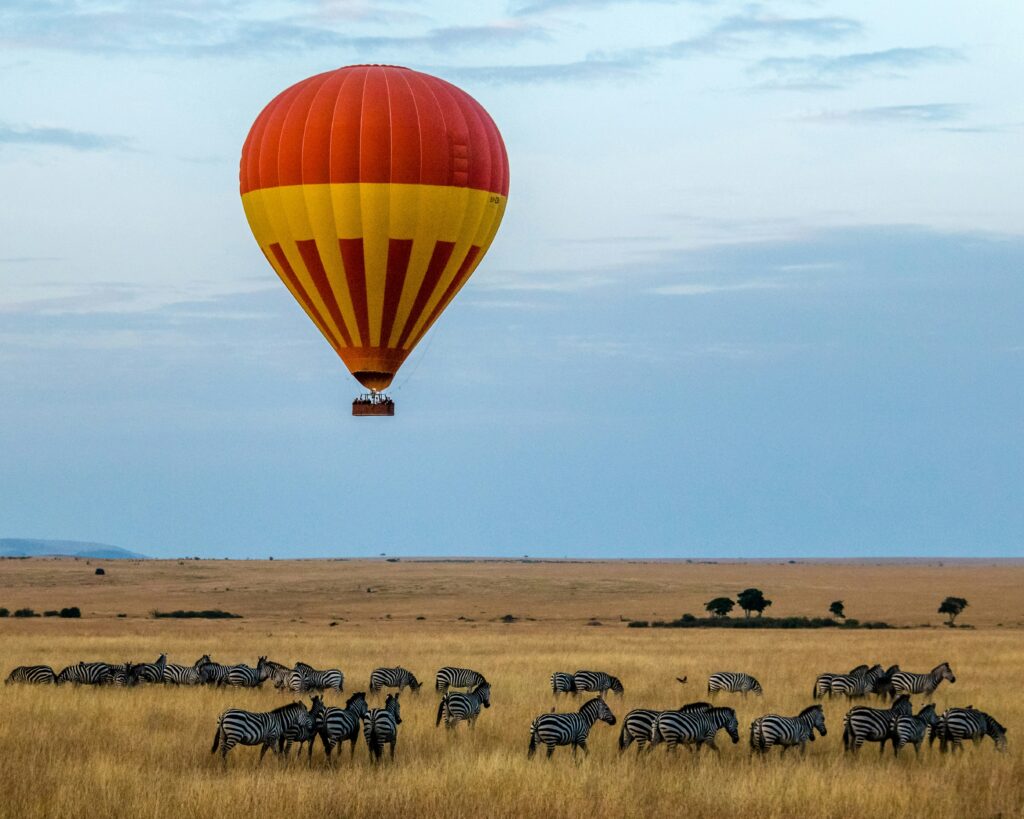
Kenya is renowned for its wildlife safaris, with options ranging from traditional game drives to unique experiences such as hot air balloon rides. The Masai Mara National Reserve is famous for the Great Migration, where millions of wildebeest, antelope, and zebra traverse the plains from July to October, accompanied by their predators.
Visitors can witness this spectacular event through various means, including game drives, walking safaris, and even hot-air balloon flights that offer breathtaking aerial views of the savanna.
Hiking and Trekking
One of the most popular activities in Kenya is hiking, particularly in the majestic Mount Kenya, the second-highest mountain in Africa. Trekking to its peak typically spans five days, with four nights spent on the mountain.
Guided tours are available via three main routes, allowing trekkers to immerse themselves in the mountain’s dramatic landscapes and diverse ecosystems. Setting up camp beneath a starry sky after a challenging hike creates an unforgettable experience, especially when supported by local guides who provide insight into the mountain’s folklore and ecology.
Eco-Tourism and Conservation Experiences
For those interested in eco-tourism, Kenya boasts several conservancies that offer responsible and sustainable wildlife experiences. The Borana Conservancy, located in Nanyuki, is dedicated to the conservation of endangered species and provides intimate wildlife viewing opportunities away from larger crowds.
Tour operators in these areas emphasize minimal environmental impact while promoting animal welfare and habitat protection.
Water Activities
The coastal regions of Kenya, particularly in Malindi and Watamu, provide exceptional diving and snorkeling experiences. The clear waters of the Malindi and Watamu Marine National Parks are teeming with vibrant coral reefs and marine life, making them ideal for both seasoned divers and first-time snorkelers.
The shallow reefs are perfect for exploration, while deeper dive sites attract those seeking to discover underwater caves and wrecks.
Lake Adventures
In addition to coastal activities, Kenya’s lakes offer their own adventure opportunities. Lake Nakuru, known for its abundant flamingos and rhinos, is a popular spot for game drives and birdwatching.
Meanwhile, Lake Victoria offers relaxing boat cruises, where visitors can spot various bird species and enjoy the stunning scenery around its vast expanse.
These adventure activities highlight Kenya’s remarkable landscapes and ecosystems, ensuring that visitors can experience the country’s natural beauty while engaging in responsible tourism practices.
Ecotourism and Conservation

This approach is essential for sustainable development, providing economic benefits while ensuring the protection of Kenya’s rich biodiversity.
Ecotourism in Kenya plays a vital role in promoting conservation and supporting local communities. As one of the fastest-growing forms of global tourism, ecotourism focuses on responsible travel to natural areas, aiming to conserve the environment and improve the well-being of local people.
Economic Impact
The economic benefits of ecotourism are manifold, generating employment opportunities for a range of individuals, including guides, rangers, and lodge staff.
These jobs contribute to local livelihoods and help alleviate poverty. Additionally, the revenue generated from ecotourism can be reinvested in infrastructure development, such as roads and facilities, thereby enhancing the overall visitor experience and stimulating economic growth beyond the tourism sector.
The multiplier effect of ecotourism extends to other industries, including agriculture and retail, as tourists’ spending supports local businesses and services
Community Empowerment
Community involvement is a cornerstone of successful ecotourism initiatives. Programs that promote human-wildlife coexistence are crucial in mitigating conflicts and ensuring that local communities benefit from conservation efforts.
Ensuring long-term sustainability requires overcoming socio-economic disparities and addressing land tenure issues, fostering genuine community engagement, and empowering locals to take part in decision-making processes.
Transparency and equitable profit-sharing are vital to ensuring communities have a stake in ecotourism ventures.
Environmental Education and Awareness
Education and awareness are critical components of ecotourism. By promoting responsible tourism practices and engaging local communities in conservation initiatives, ecotourism fosters a culture of sustainability.
Visitors are educated about the importance of preserving biodiversity and often become advocates for environmental protection in their home countries.
Investments in visitor education programs can help mitigate potential social and environmental challenges that may arise from increased tourist activity.
Challenges and Balancing Act
Despite its benefits, ecotourism also faces challenges. The influx of tourists can lead to the displacement of local communities and the commodification of cultural traditions, necessitating a balance between tourism development and the preservation of cultural heritage.
Additionally, revenue leakage poses a risk, as profits from tourism may not always benefit local communities directly.
A careful approach is required to balance conservation needs with tourism access to sensitive natural areas, ensuring that infrastructure development does not compromise ecosystems.
Case Studies and Examples
Kenya’s wildlife conservancies represent a successful model of ecotourism, where communities are engaged in conservation efforts, resulting in both ecological benefits and enhanced community livelihoods.
Notable examples include Rukinga Conservancy and Silole Sanctuary, which focus on community development alongside wildlife conservation, demonstrating how ecotourism can thrive when local populations are involved in management and benefit-sharing.
The establishment of these conservancies aligns with a broader strategy to protect Kenya’s wilderness areas while empowering local communities
Practical Information
Best Time to Visit
Selecting the right time to visit Kenya can significantly impact the quality and cost of your trip. The best time for wildlife enthusiasts is from July to October, coinciding with the Great Wildebeest Migration, when millions of animals traverse the Maasai Mara in search of fresh pasture, providing ample opportunities to spot predators in action.
For beach holidays, the optimal months are December to March, when the weather is hot and dry, ideal for swimming and other beach activities
Budgeting for Your Trip
Travel costs in Kenya vary widely depending on the experience sought. For a more budget-friendly safari, consider visiting during the low season, which offers lower prices and fewer crowds.
On average, travelers should budget for various expenses, including accommodations, food, and park fees, which can fluctuate based on the type of safari and level of luxury desired
Duration and Itinerary
Most safaris typically last between one and two weeks, allowing ample time to visit multiple parks. A recommended itinerary is to spend around three nights at each destination, ensuring a varied experience through different landscapes and cultural activities.
There are 38 national parks and reserves to choose from, each offering unique attractions, such as Mount Kenya National Park for adventure seekers and Chyulu Hills National Park for its hiking and trekking opportunities.
Eco-Friendly Travel
Embarking on an eco-friendly adventure in Kenya enhances the travel experience while contributing positively to the environment. Choosing sustainable accommodations, respecting wildlife, and participating in conservation efforts can make a significant difference. Engaging in local conservation programs, either through donations or active participation, enriches the experience and fosters responsible tourism.
Traveling during the off-peak season not only reduces pressure on local resources but also provides a more intimate experience with Kenya’s natural and cultural attractions
Transportation Tips
When planning transportation, consider options like carpooling with friends or utilizing trans-country trains like the Mombasa-Naivasha SGR to enhance the journey and reduce costs.
Additionally, booking early with agritourist destinations ensures representation for guidance and training, maximizing the experience.