Amboseli National Park Safari: Exclusive 3-Day Elephant Encounter Beneath Kilimanjaro
Image unavailable
Image unavailable
Image unavailable
Image unavailable
Image unavailable
About This Tour
Kilimanjaro on the horizon and elephant herds below - an Amboseli National Park Safari
Three days. One park. And Africa’s highest mountain watching over all of it.
Amboseli is flat, open and easy to read. You spot animals from a long way off, the swamps stay green year-round and Kilimanjaro sits right there on the southern skyline, close enough to feel like it’s part of the park. On a clear morning it fills the windscreen before you’ve even had coffee. At 392 square kilometres it’s compact enough to know well in three days, but varied enough to keep surprising you - open dried lakebeds, papyrus swamps, acacia woodland and open plains, each with their own wildlife.
Out in the park
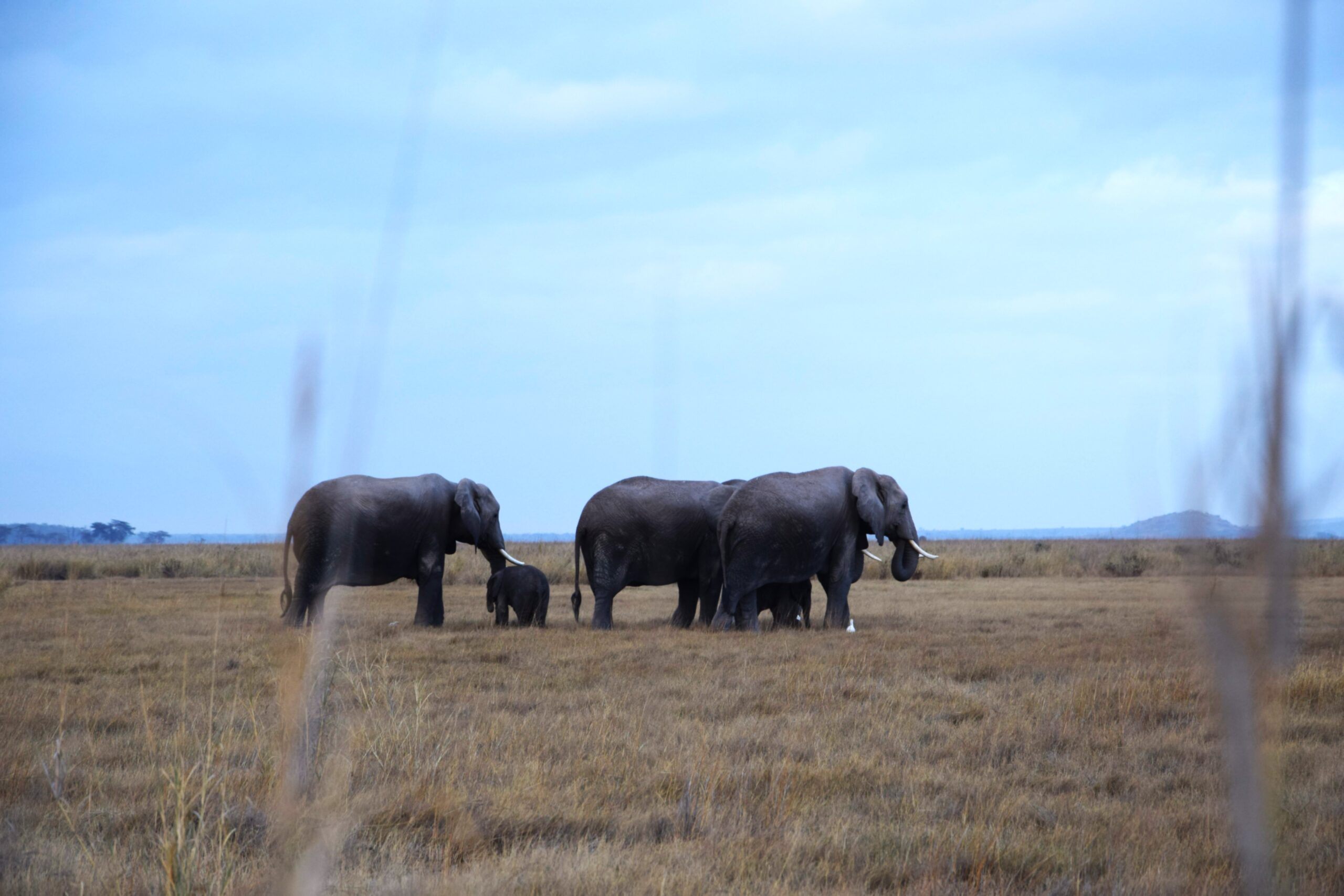
The elephants here are something else. Amboseli has some of the last great tuskers left in Africa – bulls carrying ivory that weighs over 100 pounds per tusk – and the families have been studied since 1972. Your guide draws on decades of accumulated knowledge about these specific animals and their habits.
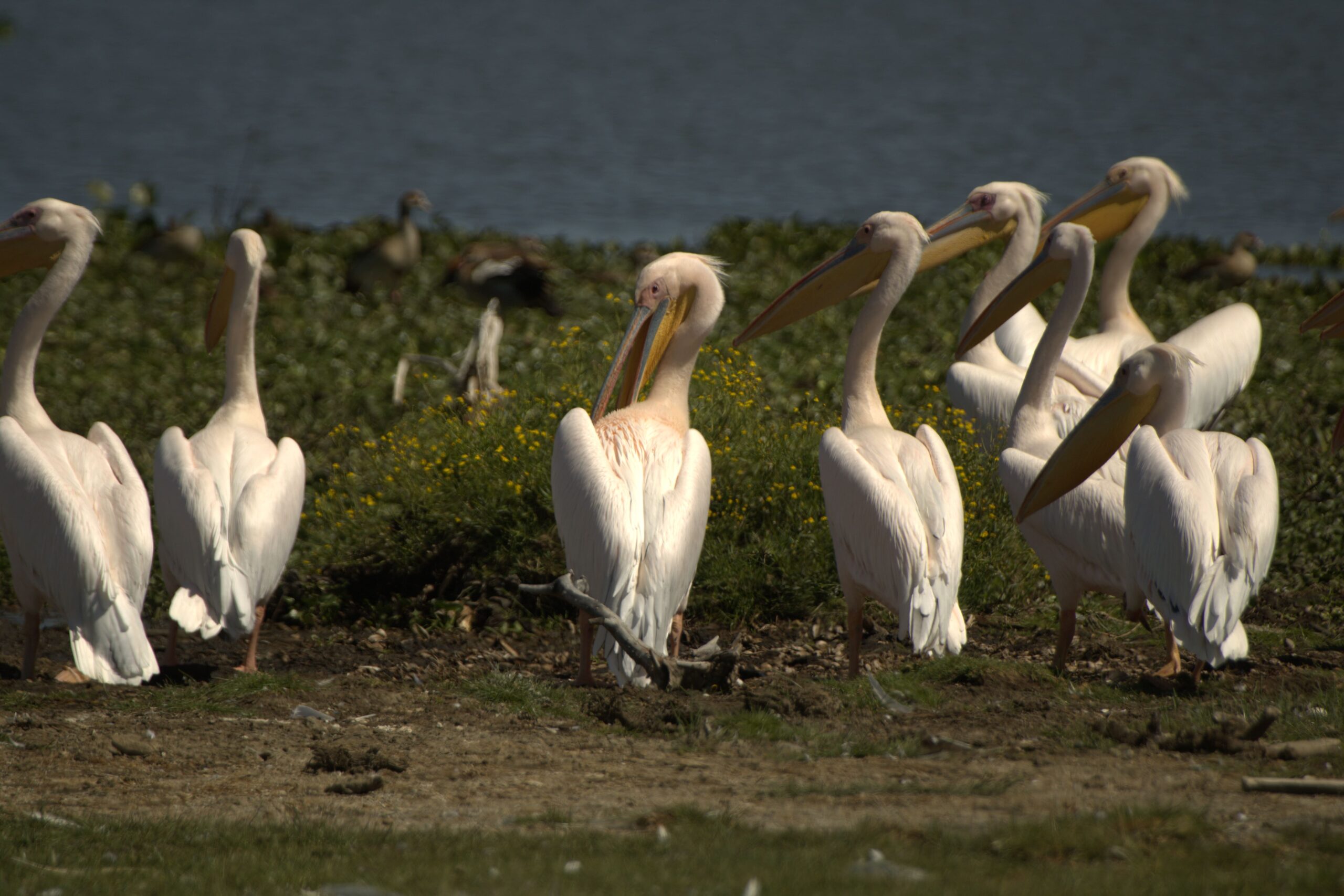
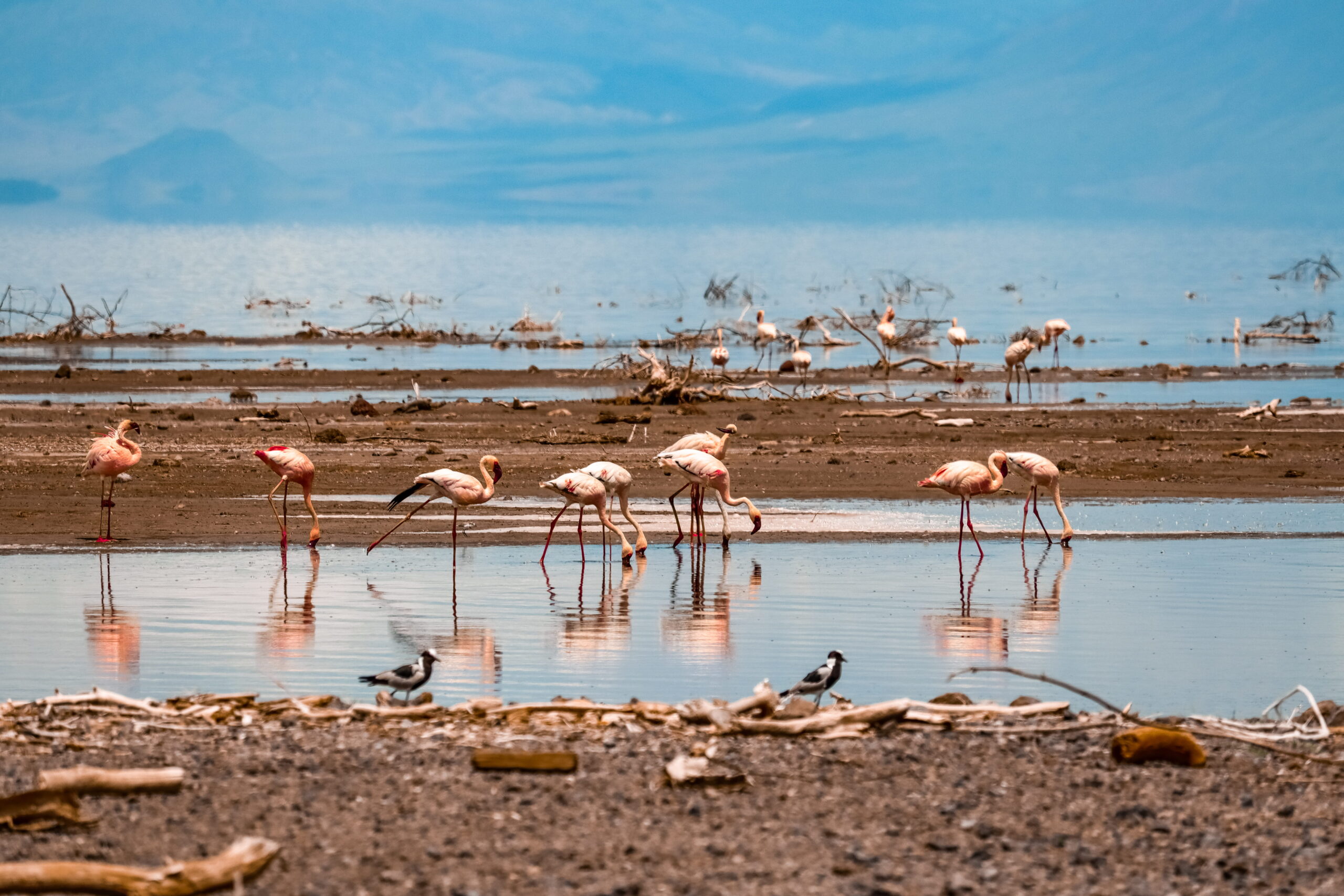
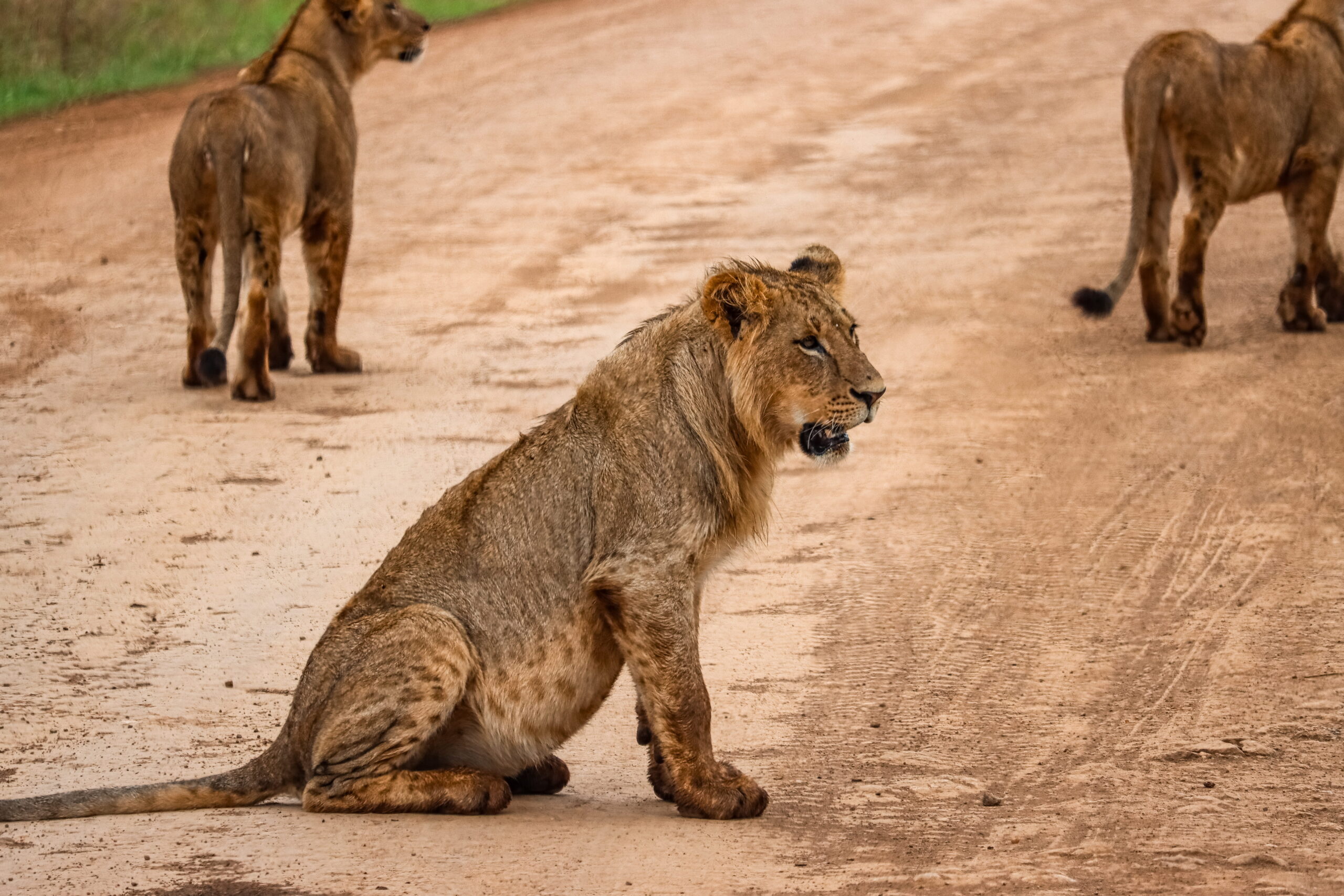
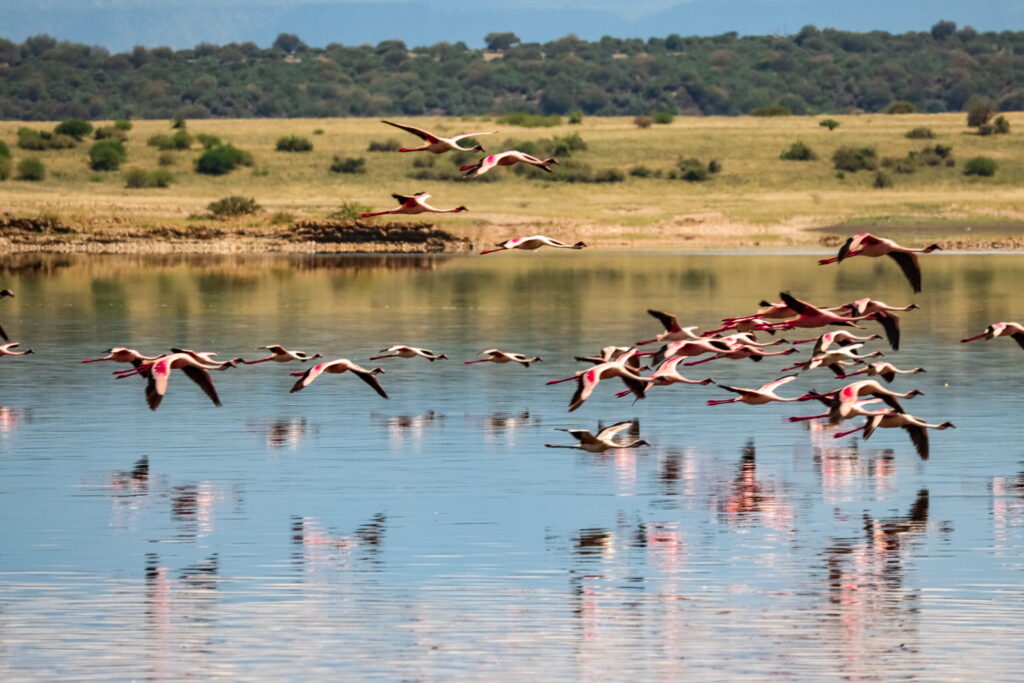
The Enkongo Narok swamp is where the big herds gather – ancient bulls digging for underground water, calves in the mud, buffalo at the edges. Lions rest on termite mounds out on the open lakebed and cheetahs cross the plains in full view. Over 400 bird species have been recorded here, with pelicans and flamingos among the most visible around the water. Observation Hill sits in the middle of it all and gives you a full 360-degree view over the swamps, herds and plains below – the place to be at sundowner time as Kilimanjaro turns amber behind you.
Nights at Sopa
Amboseli Sopa Lodge sits a short drive from the park entrance, in an acacia grove with views toward Kilimanjaro. Rooms have private terraces and en-suite bathrooms with both indoor and outdoor showers. The infinity pool looks out over the plains toward Kilimanjaro. Evenings at the lodge restaurant are worth sitting down for – Kenyan beef, tilapia from Lake Naivasha, vegetables from nearby Maasai farms, paired with good wines.
How the days run
The pace of this Amboseli National Park safari is unhurried by design. Two full days in one park means you’re not rushing anywhere. Days typically start before sunrise – out on the plains when the light is low, the air is cool and the elephant herds are already moving. Your guide knows these animals well and will position the vehicle for the best sightings as the mountain catches the first light behind you. Mid-morning, a packed breakfast or picnic lunch at Observation Hill – a 360-degree view over the swamps and plains with Kilimanjaro filling the southern horizon. It’s one of those spots that’s easy to linger at longer than planned.
Afternoons back at the lodge when the heat peaks and the animals disappear into the shade. The pool, the terrace and the views do the work. Late afternoon the temperature drops and it’s back out for the evening drive as the herds come back out and the light turns golden over the mountain. The evening drive finishes at Observation Hill for sundowners as the sky changes behind Kilimanjaro – a drink in hand, the herds moving below and the mountain turning amber.
A few options to shape your Amboseli National Park safari around your preferences:
- Hot air balloon at dawn – an hour floating above the herds with Kilimanjaro rising in the distance, followed by a champagne bush breakfast on white linen in the middle of the savanna. Optional but hard to say no to once you’re there. Book in advance.
- Bush breakfast in the park – the same experience on the ground, out among the animals at first light. Available on request.
For photography, an Amboseli safari is arguably the best in Kenya. The open terrain, the big elephants and the mountain backdrop make for images that are difficult to get anywhere else on the continent.
Group and seasonal discounts available – contact us for a personalised quote.
Key Highlights
Quick Overview
Tours available in English, with German on request.
Tour Location
Amboseli National Park, Loitokitok, Kajiado County, Rift Valley, Kenya
Your Itinerary
3-Day Itinerary
Welcome to Amboseli
Day 1Morning:
- Departure for Amboseli National Park (approximately 4-5 hour drive).
- Check-in & Welcome drinks upon arrival at Sopa Lodge. Settle into your accommodation and enjoy the stunning views of Mount Kilimanjaro and the surrounding plains.
- Lunch at the lodge, featuring fresh local ingredients, with options for international and traditional Maasai dishes.
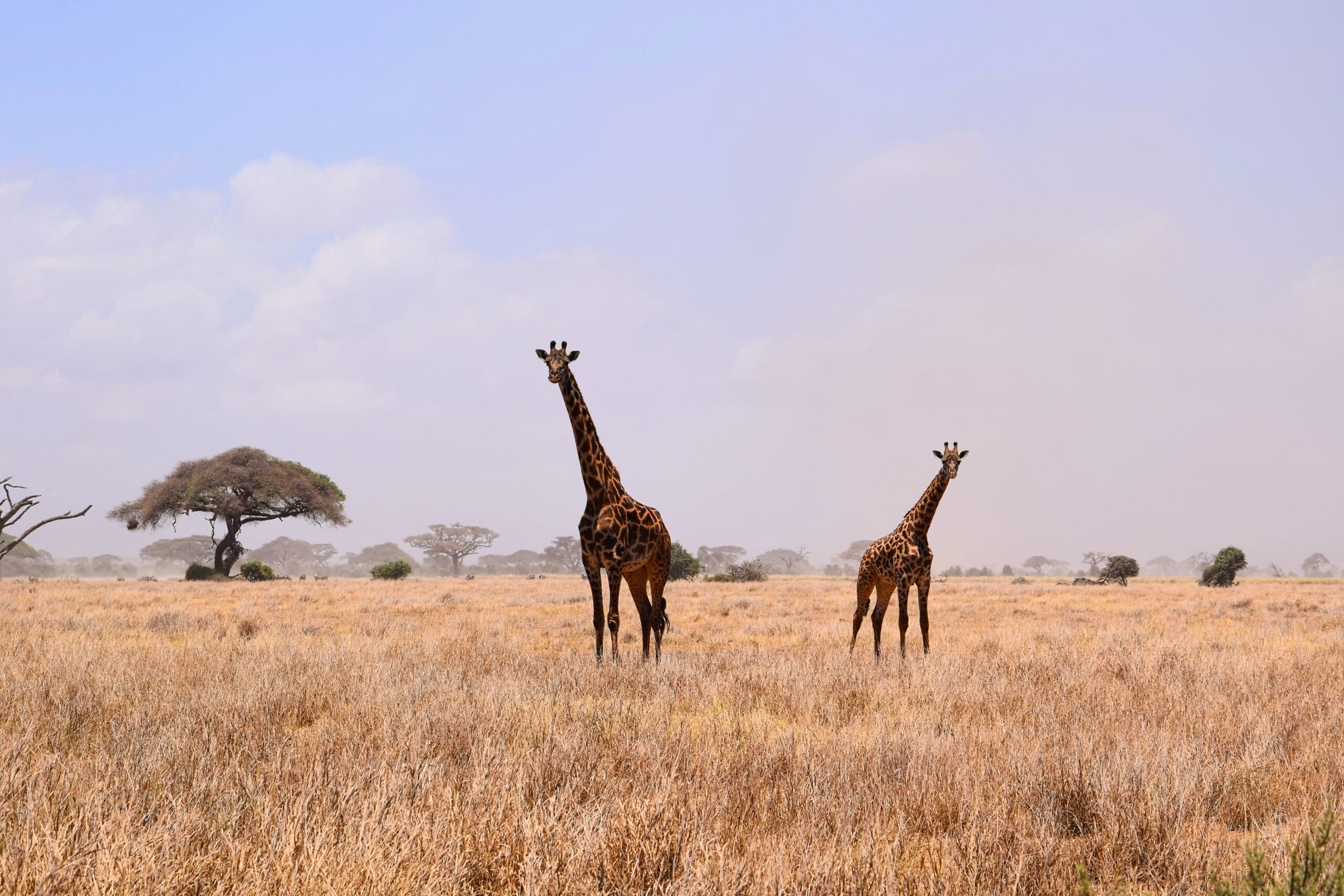
- Embark on an evening game drive with an expert guide. Explore Amboseli's diverse landscapes, spotting elephants, lions, giraffes, zebras, and numerous bird species with our guide giving insights into the park's ecosystem and wildlife behaviour.
- Later return to the lodge for dinner, enjoy a multi-course meal featuring local delicacies and international cuisine.
Inclusions & Exclusions
What's In Your Package
- Accommodation at Amboseli Sopa Lodge (2 nights, full board)
- All meals - local and international cuisine (breakfast, lunch and dinner)
- All park and conservation fees
- Private game drives in 4x4 land cruiser
- Services of expert local guides
- Round-trip transport to and from Nairobi
What Guests Say
Traveler Reviews
Authentic feedback from our guests
“Did the three day Amboseli with my wife after a week in the Mara and honestly I expected it to be a bit of a step down because the Mara had been so good. Wrong. The elephant herds at the swamps in the late afternoon, with Kilimanjaro coming out of cloud just before sunset, is the image that stayed with me most from the whole trip. Our guide knew which family groups were which and explained how the matriarchs were related.
“Trois jours qui valent largement plus que ce que j'ai payé. Le guide parlait un français correct ce qui m'a beaucoup aidé pour les explications techniques sur les éléphants. Le Kilimandjaro visible deux matins sur trois, ce qui paraît être la moyenne d'après ce qu'on m'a dit. Sundowner sur Observation Hill avec le coucher de soleil sur la montagne, inoubliable.
“As an African travelling within Africa I was a bit nervous about whether I'd get the same treatment as the European tourists I saw at the lodge. Zero issues. Same vehicle, same guide attention, same everything. The elephants were the headline but the bird life around the swamps surprised me, hundreds of crowned cranes one morning.
“Honeymoon stop. Booked a private vehicle which was worth the upgrade because we could go at our own pace and stop for as long as we wanted at sightings. Spent maybe forty minutes parked watching one elephant family with two very small calves drinking and the older females taking turns at lookout. Felt like a National Geographic moment without the camera crew.
“Three of us travelling, including my mother who is in her seventies, and the team adjusted the pace without being asked. Game drives were not too long, the lodge was comfortable, food at Sopa was fine. One genuine complaint is that the road from Nairobi has rough patches in places and the vehicle could have done with better suspension. Mum was sore by the end of the drive down. Apart from that, no issues.
“The wildlife was excellent but Sopa Lodge had a few issues during our stay. Hot water was inconsistent, wifi barely worked, and one evening the kitchen ran out of vegetarian options for the fixed menu and had to scramble. The Daring Escapes team responded well and got us alternatives but the lodge itself was the weak link. Game drives and guiding were 5 stars, accommodation more like 3.
Frequently Asked Questions
Got Questions? We've Got Answers
Still have questions?
Message us — we reply fast and love answering questions about our tours.