

Kenya Rainy Season, most people avoid it. That’s exactly why it can be the best time to go.
Fewer crowds, greener landscapes, and wildlife that behaves differently. Here’s what to know, and why it might work better for you.
What rainy season actually means in Kenya
Kenya Rainy Season has two rain periods. The long rains run from late March to May. The short rains come in November and early December.
It does not rain all day. That’s the first thing people get wrong.
Most days follow a pattern. Mornings are clear, often with sharp light and proper sunrises. By early afternoon, clouds start to build. Rain usually comes later, often in short, heavy bursts, and many times at night rather than during the day.
Daytime is often bright with partial cloud cover and temperatures stay comfortable 18-28ºC.
You still get plenty of sun. Even in Nairobi, the shift in light after rain makes the city look different. Colours come out more. The air feels cleaner.
In places like the Maasai Mara, April can bring around 120–180 mm of rain across the month.
That sounds heavy, but spread over weeks it’s manageable.
What you notice more is how fast the landscape changes. Grass grows back quickly. Water is no longer scarce.
Wildlife responds to that.
For animals, this is a better time. Conditions are less harsh. Food is easier to find. You will see fuller herds and more movement across wider areas.
The trade-off is on your side.
Access becomes harder. Tracks can get muddy, and animals are less concentrated.
But when you do find them, the experience feels different. Less rushed, less crowded, and often more rewarding.
How wildlife behaviour changes in the Kenya Rainy Season
Animals don’t disappear when it rains. They spread out.
In the dry season, wildlife gathers around rivers and waterholes. That makes sightings easier, but also more crowded.
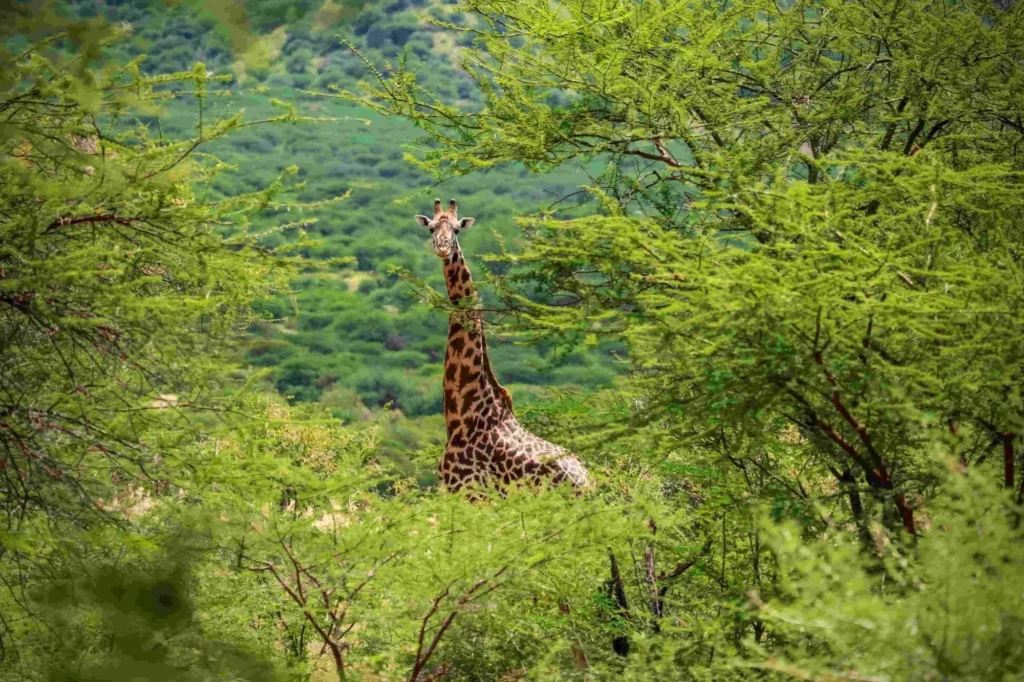
During the Kenya Rainy Season, water is everywhere, so animals move more freely across the landscape. You need to work harder to find them, but it feels more natural when you do.
Lions in the Maasai Mara often hunt in cooler conditions, especially after rain. Leopards in Laikipia become easier to track once the dust settles and the ground holds clearer prints.
Birdlife improves as well. Migratory species arrive between October and April.
Areas like Lake Naivasha or Samburu can hold over 400 species during this period.
The biggest shift is the lack of crowds.
In peak season, a single sighting can attract twenty vehicles.
During the rains, you may have it to yourself. That changes how animals behave. You see longer hunts, calmer herds, and far less engine noise around them.
Why this is when Kenya feels most alive
You’re not getting a lower-quality experience. Staff, guides, and wildlife are the same.
You’re just travelling outside peak demand, which means fewer vehicles, more flexibility, and often lower prices across lodges and internal flights.
It is easier to find availability on routes from Wilson Airport to places like the Mara or Samburu, even at short notice.
The landscape shifts quickly once the rains start.
Dry, dusty plains turn deep green within days.
In Amboseli, rain clears the air and Kilimanjaro becomes more visible. In Samburu, the Ewaso Ng’iro river rises and pulls wildlife closer to the banks.
Light changes as well. Mornings are sharper, evenings bring more colour, and skies have more depth, which is why many photographers prefer this time of year.
Water levels improve certain experiences too, especially boat trips on Lake Naivasha and waterfalls in Aberdare.
The overall feeling is different.
With fewer people around, it becomes easier to slow down and actually connect with the environment.
That said, the same conditions that make everything greener also make access harder.
Tracks get muddy, vegetation thickens, and you will sometimes push through thorny bushes or flooded sections to reach wildlife.
Let’s talk about the downsides.
What you need to be ready for during Kenya Rainy Season
It’s not perfect. You need to plan around a few things.
Roads can get muddy, especially inside parks.
In the Maasai Mara, some tracks become difficult after heavy rain.
That’s where proper 4×4 vehicles matter.
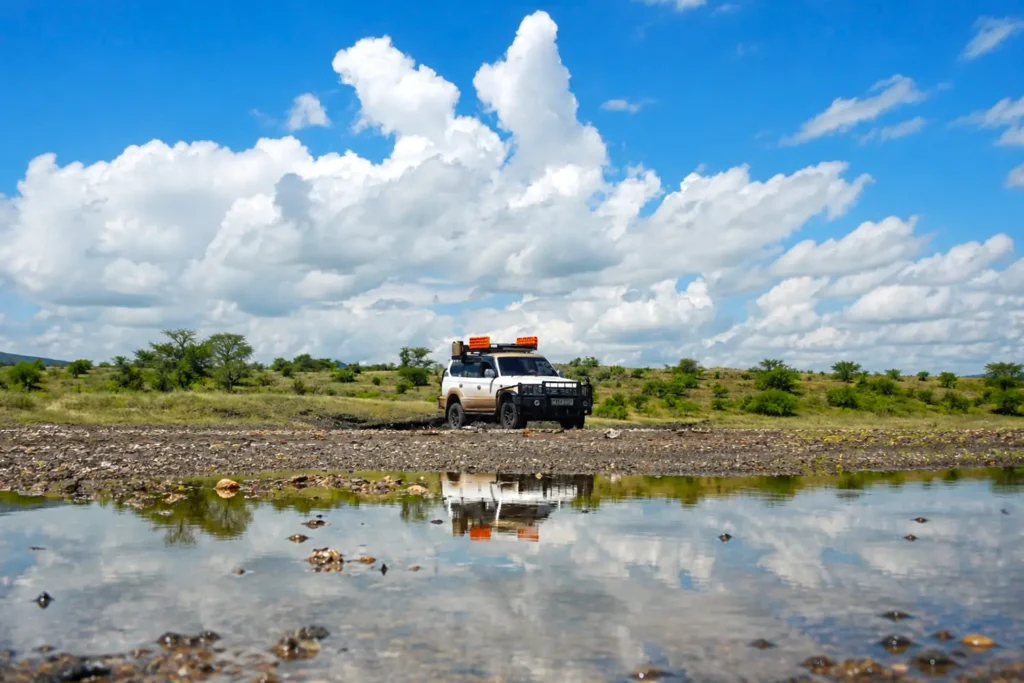
You feel the force of the rain in the terrain. It changes how you move, and sometimes where you can go.
Vegetation thickens quickly, which can make visibility and access harder.
Game drives are usually still possible.
Rain often falls at night, so mornings remain the best time to head out.
By 7am, conditions are often clear, and wildlife is active, feeding and moving in cooler temperatures with more water and vegetation available.
The difference is you need flexibility. Routes may change, and timing may shift depending on the ground conditions.
In higher areas like Aberdare, Naivasha or Mount Kenya it gets cold at night. Temperatures can drop below 10°C. Bring a proper jacket, not just a light layer.
Some camps close during Kenya Rainy Season, usually in May. Others stay open year-round, especially in Laikipia, Mount Kenya and Samburu.
These regions handle rain better due to terrain and drainage, which makes them a good option if conditions in the Mara are too heavy.
You can still have strong experiences there, with unique wildlife and often with even fewer people around.
You don’t need to avoid the rains. You need to work with them. A flexible Kenya safari plan makes a big difference during the Kenya Rainy Season, especially if you’re travelling during peak rainy weeks.
For current conditions, you can check forecasts from the Kenya Meteorological Department, and for more precise, real-time rainfall tracking, apps like Windy or Ventusky are far more useful when planning day-to-day movements.
Not the easy version of Kenya, the real one
Kenya Rainy season can be the best time to come.
If you like adventure, want real stories to tell, and don’t mind a bit of rain, this is when Kenya gives you that.
Animals are in better condition.
They move more, feed more, and respond to a landscape that has come back to life. It’s their home, but also their playground.
Conditions are harsher for you, but you get to witness that shift up close.
Photographers, birders, and anyone who enjoys being off the usual track will get more out of this season.
It feels less staged, more real.
You deal with mud, changing routes, and a bit more effort, but that’s part of it.
If that sounds like your kind of trip, March to May is worth considering.
The question is simple. Are you up for it?