

Best time to climb Mount Kenya: month-by-month weather guide
Best time to climb Mount Kenya is usually January to February or June to September. Those windows give you the best odds of drier trails, clearer skies and steadier summit mornings. Mount Kenya can still throw rain, hail, cloud and cold at you in one day. It sits near the equator and rises from forest to alpine rock, so the weather changes fast as you climb.
The smart move is not just picking a dry month. It is choosing a route, pace and guide team that can read the mountain when the forecast behaves like a politician. On Mount Kenya, that matters. A clear morning can turn into wet bamboo forest by lunch, especially on the southern and eastern sides.
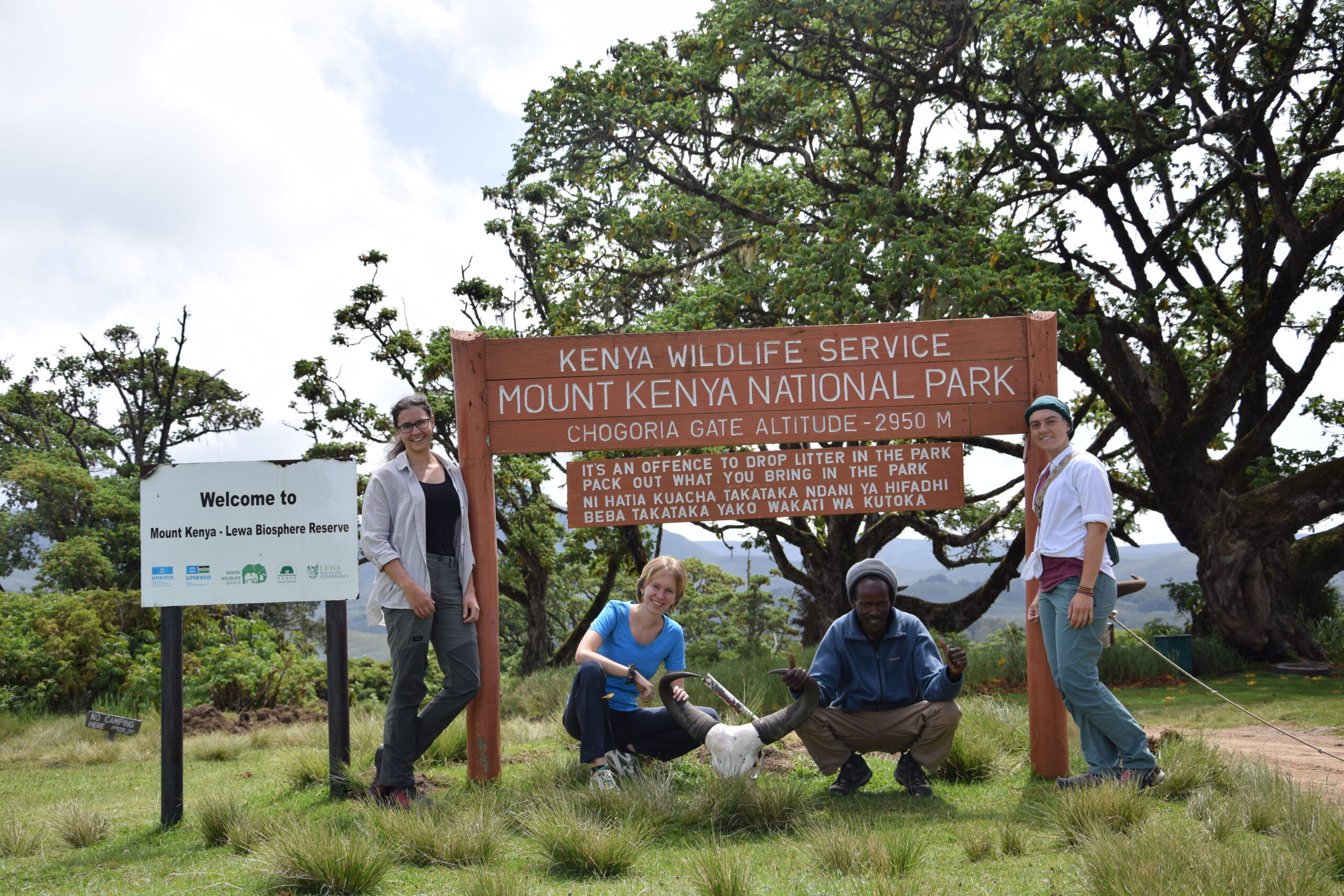
Best time to climb Mount Kenya at a glance
If you want the simple answer, aim for January, February, June, July, August or September. February, June, July, August and September also rate well for Naro Moru comfort data, which is useful because Naro Moru sits on the western side used by many climbs.
That does not mean every other month is a no. March, April and May are wetter. October and November can be messy too, with November especially wet around Naro Moru. December often improves as the short rains fade. Early December can still hold muddy forest sections.
Mount Kenya climbing windows
| Season | Months | Trail feel | Verdict |
|---|---|---|---|
| Best | January to February | Short dry window, warm lower slopes, good summit odds | Excellent for most trekkers |
| Best | June to September | Drier trails, cooler nights, often better visibility | Best all-round window |
| Mixed | March and October | Transition months. Good days happen, wet days happen | Fine with flexible expectations |
| Harder | April, May and November | Wetter forests, muddier trails, more cloud | Possible. Not ideal for a first climb |
Why Mount Kenya weather changes so fast
Mount Kenya is not a normal hill with one neat forecast. Its highest point, Batian, reaches 5,199 metres. Point Lenana, the trekking summit most hikers aim for, reaches 4,985 metres. The mountain sits about 16.5 kilometres south of the equator and rises through several climate zones.
That shape explains the weirdness. You can start in damp forest, cross open moorland, sleep in cold alpine air and walk toward the summit before dawn while frost sits on the ground. The climate of Mount Kenya is often described as “summer every day and winter every night.” It sounds dramatic until you are pulling on gloves at 3 a.m. and sweating through a sunny descent by late morning.
The southeast side is wetter because weather systems often come in from the Indian Ocean. Chogoria is beautiful partly because that moisture feeds the forest and valleys. Sirimon, on the northern side, is generally drier. Naro Moru sits on the western side and can be direct, cold and boggy in wet periods.
Best time to climb Mount Kenya by month
This table uses Naro Moru climate data for lower-slope guidance. It is not a summit forecast. The higher you go, the colder and less predictable it gets. Treat the rainfall numbers as a planning signal, not a promise from the sky. The sky did not sign anything.
Month-by-month Mount Kenya weather planning table
| Month | Naro Moru rain | Day / night temp | Climbing call |
|---|---|---|---|
| January | 102 mm | 24.4°C / 11.7°C | Go Short dry season. Good visibility when mornings behave. |
| February | 88 mm | 25.5°C / 11.7°C | Go One of the strongest months for a trek. |
| March | 134 mm | 25.5°C / 12.6°C | Mixed Early March can work. Late March can turn wet. |
| April | 239 mm | 23.9°C / 13.9°C | Wet Wettest month in this dataset. Expect mud. |
| May | 169 mm | 23.0°C / 13.8°C | Harder Long rains ease slowly. Forest tracks may stay sloppy. |
| June | 69 mm | 22.0°C / 12.8°C | Go Dry season opens. Nights feel colder. |
| July | 60 mm | 21.1°C / 11.9°C | Go Cool and often clear. Strong trekking month. |
| August | 63 mm | 21.5°C / 11.8°C | Go A reliable month for drier trails. |
| September | 59 mm | 22.9°C / 12.0°C | Go Driest month in this dataset. |
| October | 183 mm | 23.2°C / 12.9°C | Mixed Short rains can arrive. Plan with caution. |
| November | 237 mm | 22.5°C / 13.1°C | Wet Usually one of the least friendly months. |
| December | 151 mm | 23.3°C / 12.4°C | Mixed Improves later in the month. Early December can still be wet. |
January and February: short dry season, strong summit odds
January and February are excellent months if you want warmer lower slopes and a cleaner shot at clear skies. The Naro Moru data shows 102 mm of rain in January and 88 mm in February, far lower than April or November. February is also the warmest month in that dataset, with an average daytime temperature of 25.5°C on the lower slopes.
On the mountain itself, do not confuse warm lower slopes with warm summit conditions. Summit morning is still cold. Gloves, proper layers and a windproof shell are not optional. This is where many first-timers get humbled. Nairobi sunshine lies. Politely. Still.
June to September: the safest answer for most travellers
For most international travellers, June to September is the best time to climb Mount Kenya. The Naro Moru rainfall line drops to 69 mm in June, 60 mm in July, 63 mm in August and 59 mm in September. Those numbers make this the most forgiving stretch for trail conditions.
It is also a strong window for photographers. Clear dawns are more likely. The moorland can open into those big Mount Kenya views that make people stop pretending they are not tired. September is especially attractive if your priority is drier trail underfoot.
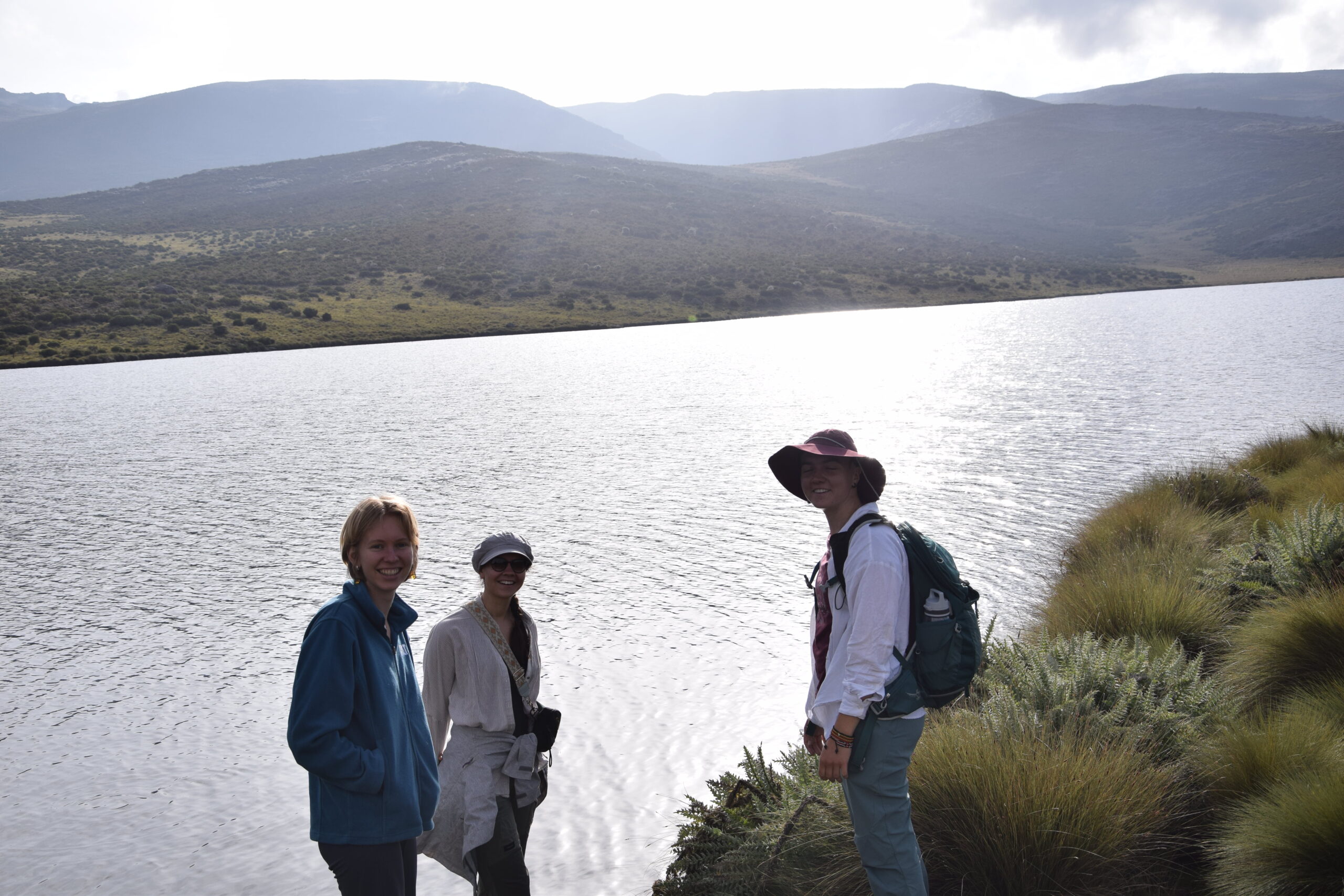
March to May: long rains and muddy forest sections
The long rains usually build from March and run through May. The climate reference for Mount Kenya describes mid-March to June as the heavy rain season, with about half of the mountain’s annual rainfall falling in that period. Naro Moru data backs up the warning: April receives about 239 mm over 21 rainy days.
Can you climb then? Yes. Should a nervous first-time trekker pick April as the first choice? I would not. Wet trails make the forest slower. Clothing dries badly. Views can disappear for long stretches. A good team can still manage the climb. The trip becomes more about grit than clean mountain pleasure.
October to December: short rains, with a late-year opening
October and November sit in the short rains. Naro Moru gets around 183 mm in October and 237 mm in November. That is a big jump from the dry months. November is one of the months I would avoid if you have limited dates and want the best odds.
December is more nuanced. The month averages around 151 mm in the Naro Moru data. Conditions often improve as the short rains fade. Late December can be good. Early December can still be wet in the forest. If you are planning a festive-season climb, do not just ask whether December works. Ask which part of December and which route.
Best time to climb Mount Kenya by route
Route choice changes how weather feels. The same month can feel easy on one side and stubborn on another.
Sirimon route
Sirimon is generally the drier northern approach and often the best bet in shoulder months. It gives a steadier acclimatisation profile than the shortest options and works well when you want a practical climb without overcomplicating the mountain.
Chogoria route
Chogoria is the scenic heavyweight. The valleys, lakes and cliffs are the reason many people love it. It is also on the wetter side of the mountain, so heavy rain can make the lower sections slower. In dry months, it is brilliant. In wet months, it needs patience and a team that has actually handled those tracks before.
Naro Moru route
Naro Moru is direct and historically popular. Wet conditions can make it less friendly. The famous boggy sections are not where you want to discover your boots were bought for looking serious in airport lounges. Give Naro Moru dry months if you can.
Burguret and Timau routes
Burguret and Timau are quieter, wilder options. They need stronger logistics and a better margin for weather because there is less traffic and less room for casual improvisation. These are not the routes I would use to gamble with wet-season conditions.
Route-weather fit
Best for drier northern access and shoulder-month caution.
Best in dry months when the views can properly open.
Best when trails are dry, because wet bog is nobody’s personality test.
Best for experienced trekkers with solid support and flexible plans.
What the competitor misses
The thin answer is “go in the dry season.” Useful. Barely. It does not tell you what July feels like compared with February, why Chogoria behaves differently from Sirimon or why late December is not the same as early December.
The bigger missing piece is operations. Weather is not just a packing issue. It affects pacing, route choice, water management, food timing, porter loads, camp comfort and descent decisions. This is where a properly run climb pays for itself. You want vetted guides, sensible provisioning, backup plans and Nairobi support that knows where the team is, not a last-minute arrangement held together by optimism and a WhatsApp group named “Mt Kenya plan final final.” We have all seen that movie.
If you are still choosing between routes, start with our Best Mount Kenya Routes guide. If you want the broader planning picture, read our complete Mount Kenya climbing guide. For a guided climb, see our Mount Kenya trekking tour.
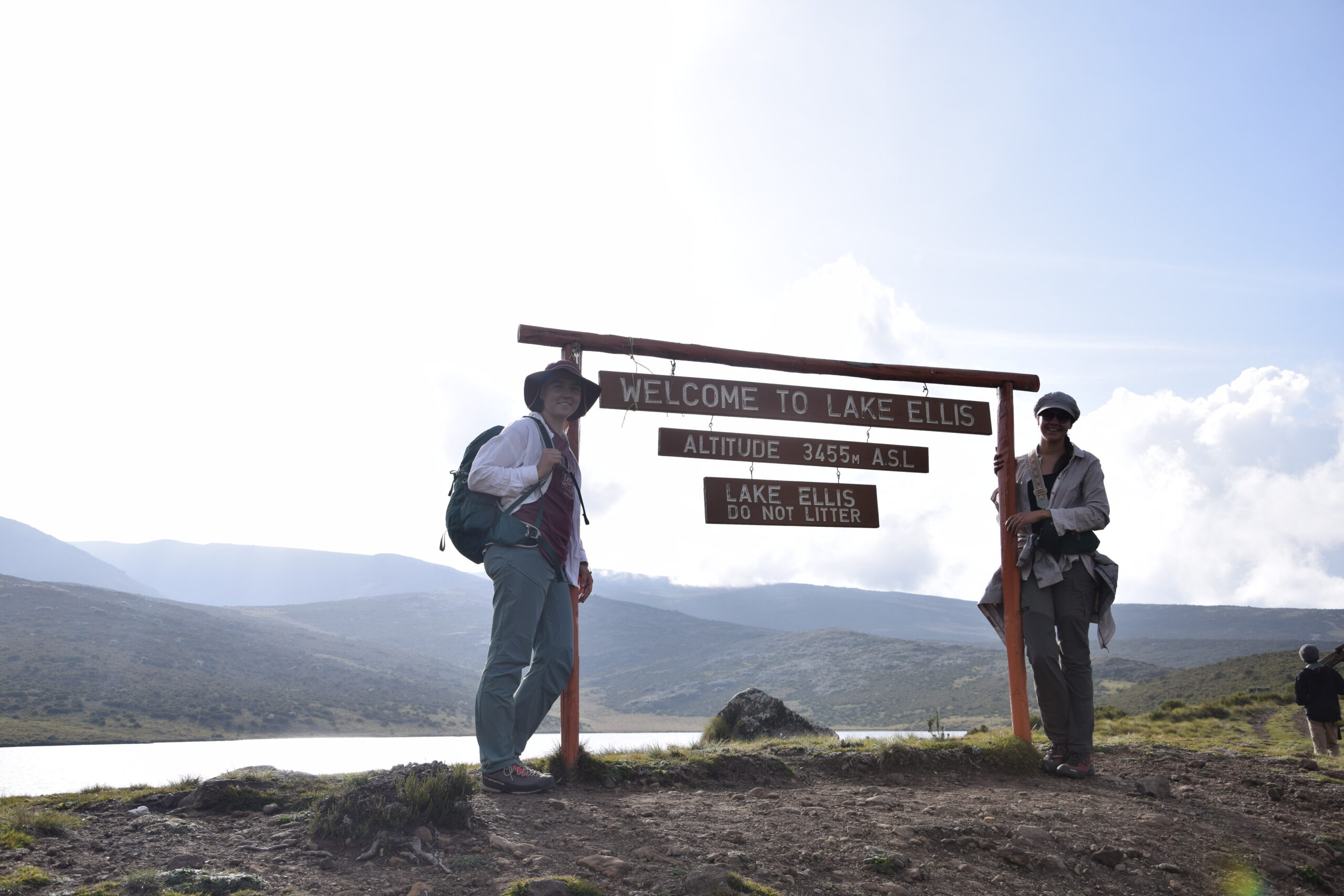
How to choose your month if your dates are fixed
If your Kenya dates are fixed, do not panic. Choose the best route for that month and build in the right expectations.
For January or February, you have a strong choice of routes. Sirimon, Chogoria and Naro Moru can all work well. For March, I would lean earlier in the month and choose a team that can adjust if rain builds. For April and May, go only if you accept muddy trails and less predictable views.
For June to September, you are in the cleanest planning window. This is where I would place most first-time climbers, photographers and travellers who have flown a long way and want the best chance of a good summit morning. For October and November, go in with wet-season kit and a more conservative route choice. For December, late month is usually the better bet.
Gear changes by season
The core kit stays the same: warm layers, waterproof shell, proper boots, gloves, hat, headlamp and a comfortable daypack. Wet months make the waterproof pieces more important. Dry months do not remove the need for them.
In March, April, May, October and November, waterproof overtrousers, gaiters and dry bags become more than nice extras. They protect your sleep system and spare layers, which protects morale. Morale is not a technical climbing term. It should be.
In June, July, August and September, the trail may be drier. The nights can bite. July is the coolest month in the Naro Moru dataset, with average lower-slope daytime temperatures around 21.1°C and nights around 11.9°C. Higher camps are much colder than that, especially before dawn.
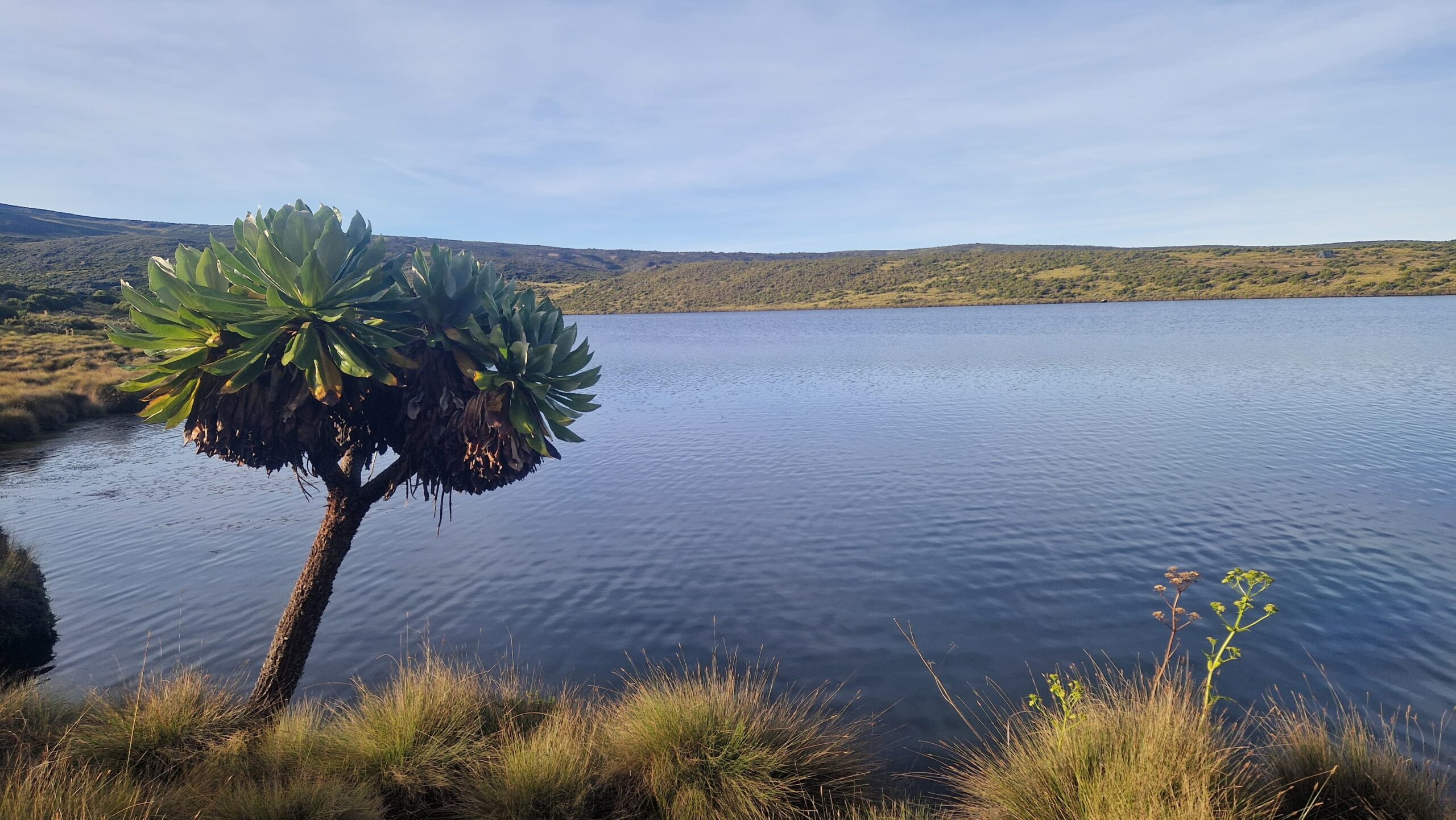
FAQ: best time to climb Mount Kenya
What is the best month to climb Mount Kenya?
February, July, August and September are the strongest choices for most trekkers. If I had to pick one simple window, I would choose June to September because rainfall is lower and trail conditions are generally better.
Can you climb Mount Kenya in the rainy season?
Yes. It is harder. March to May and October to November can bring muddy forests, cloud, slower movement and less reliable views. A rainy-season climb needs better waterproofing and a guide team that can make sensible calls on the ground.
Is January a good time to climb Mount Kenya?
Yes. January sits in the short dry season and is usually a good month for Mount Kenya. The Naro Moru climate dataset shows 102 mm of January rainfall, much lower than April and November.
Is August a good time for Mount Kenya?
Yes. August is one of the best months. Naro Moru averages 63 mm of rain in August. The long dry season usually gives better trail conditions.
Which route is best in wet months?
Sirimon is often the safer choice in wet or shoulder months because it is generally the drier northern approach. Chogoria is beautiful but can be wetter on the lower sections.
Does the best time to climb Mount Kenya guarantee clear views?
No. It only improves your odds. Mount Kenya weather changes fast, especially with altitude. Good planning gives you better margins, not control over the mountain.
Final call
The best time to climb Mount Kenya is January to February or June to September. For most travellers, June to September is the safest bet. It gives you lower rainfall, better trail conditions and a stronger chance of clear summit views.
If your dates fall outside those months, the climb can still work. Pick the right route, carry proper waterproofs and use a guide team with real systems behind it. Mount Kenya rewards preparation. It has very little interest in your calendar.