

Mount Kenya Trekking Routes: Which One Suits You
Mount Kenya trekking starts with a choice: which side of the mountain you climb. Five routes lead up to Point Lenana at 4,985 metres and each one delivers something different. The three main ascent options are Sirimon, Chogoria and Naro Moru, with Burguret and Timau on the tougher, quieter end. Knowing the trade-offs before you book changes everything about your Mount Kenya trekking experience.
| Route | Duration | Difficulty | Best for |
|---|---|---|---|
| Sirimon | 4–5 days | Easy–Moderate | First-timers, gradual acclimatisation |
| Chogoria | 4–5 days | Moderate | Scenery-lovers, photographers |
| Naro Moru | 4 days | Moderate–Hard | Short schedules, strong fitness |
| Burguret | 5–6 days | Hard | Remote trails, experienced hikers |
| Timau | 5–7 days | Advanced | Climbers heading for the true peaks |
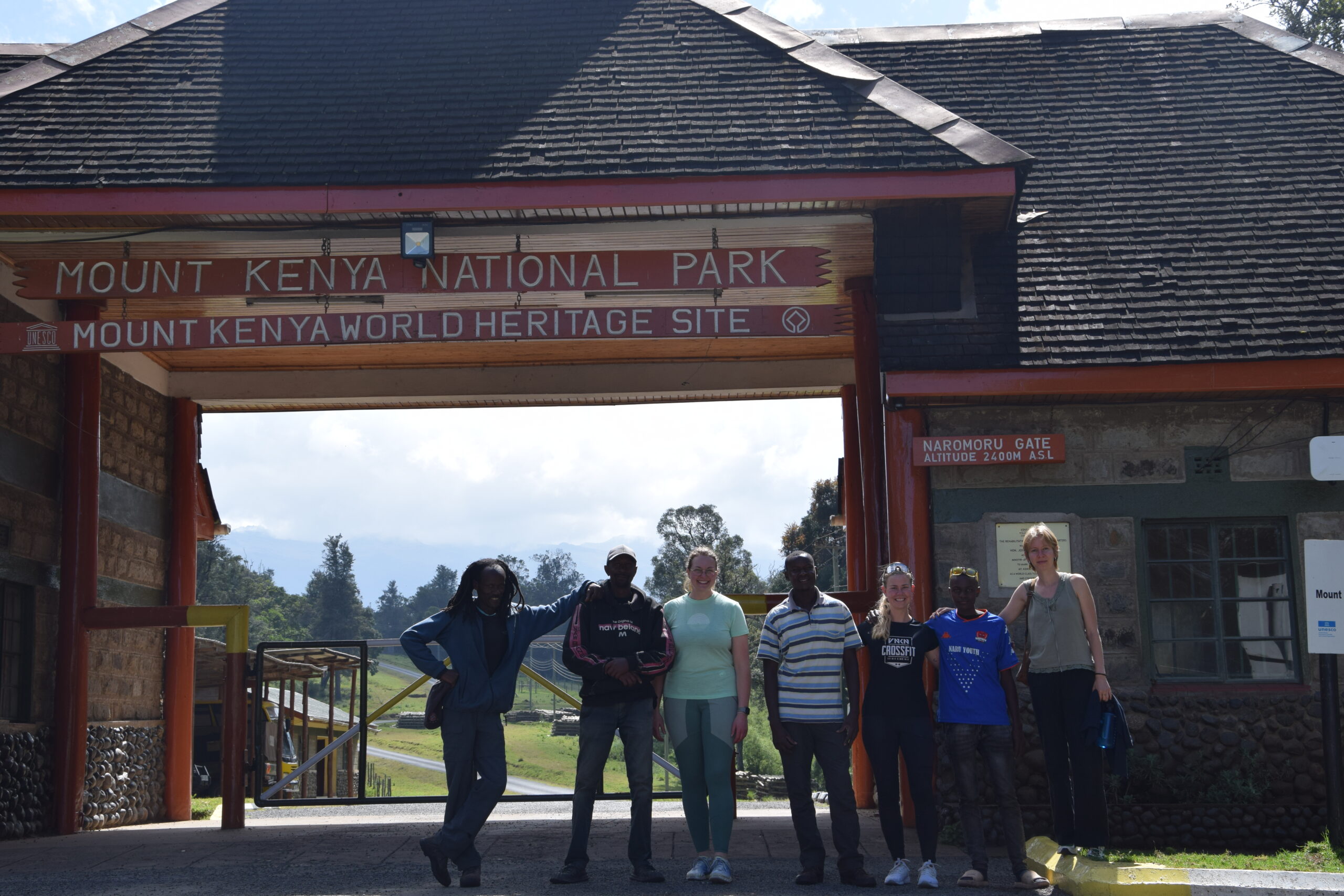
The Sirimon route approaches from the northwest and is the driest option for Mount Kenya trekking. You ascend through a wide valley past Old Moses Camp at 3,300 metres to Shipton’s Camp at 4,200 metres. The gradient is gradual, giving your body time to adjust. Hut accommodation at both camps means you do not need to carry tents. Sirimon works well as an ascent route, especially if you are new to altitude.
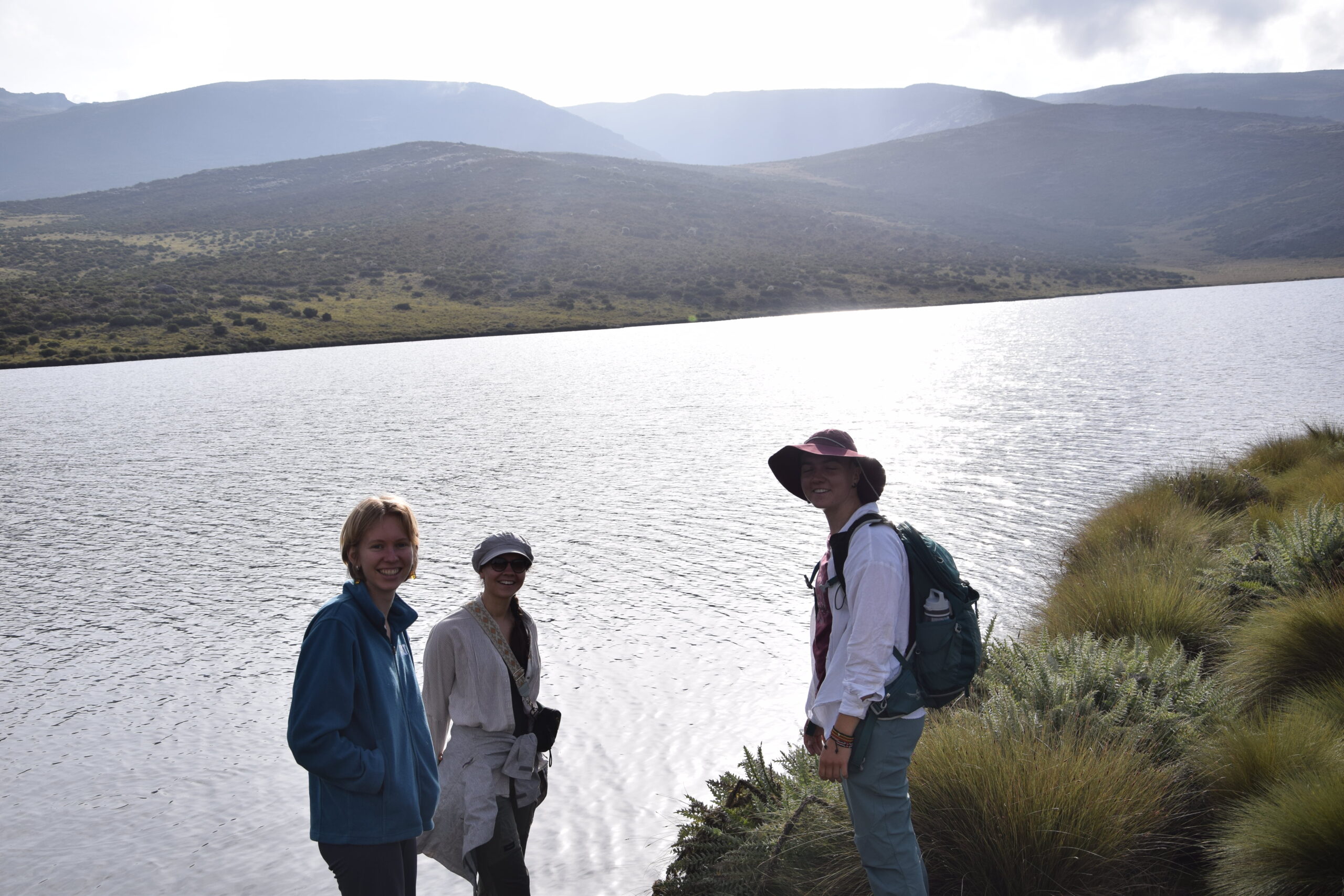
Chogoria enters from the east and is the scenic pick. The trail climbs through bamboo forest before opening into the Gorges Valley with views of Lake Michaelson far below. It is greener, steeper and photographically richer than Sirimon. Most trekkers prefer descending Chogoria because the scenery rewards tired legs. The highlight on the way down is Nithi Falls, where a river plunges over a cliff into the valley.
Naro Moru is the fastest route but also the least interesting. It runs straight up a steep valley with little variation in scenery. Operators use it mainly for descent when speed matters more than views. Unless you are on a tight schedule you are better off with Sirimon or Chogoria.
The sweet spot for most Mount Kenya trekking trips is the Sirimon-Chogoria traverse. You climb the gentle Sirimon side and descend through Chogoria’s dramatic gorges. This gives you the easiest ascent and the most beautiful descent in one trip. A typical 5-day Mount Kenya trekking itinerary on this traverse covers roughly 58 kilometres with about 3,500 metres of elevation gain. It is graded moderate and does not require any technical climbing.
The Chogoria trail earns its reputation as Mount Kenya’s most beautiful side. The combination of Lake Michaelson reflecting the peaks, the steep walls of Gorges Valley and the old-growth forest on the lower slopes means the camera never stays in your bag long.
Mount Kenya Route Difficulty: Matching the Trail to Your Fitness
Not every Mount Kenya trekking route suits every trekker. Some are gentle introductions to altitude. Others demand backcountry experience and a tolerance for rough trail. Choose the one that matches your fitness and comfort level.
Sirimon
The gentlest climb up Mount Kenya. A wide valley, a steady gradient and the best option for first-timers and anyone worried about altitude.
4–5 days
Chogoria
The most scenic route, via Lake Ellis and Michaelson, with big views of the Gorges Valley. Slightly longer, but the landscape earns it.
4–5 days
Naro Moru
The shortest and steepest track. Strong fitness needed, and the Vertical Bog deserves respect. A real push, but doable in four days.
4 days
Burguret
A quieter, harder trail through forest and moorland. Fewer people, rougher going. Best for confident hikers who want the wilderness.
5–6 days
Timau
The long, remote approach. It’s the gateway for climbers taking on Batian and Nelion, the true peaks. Not for a casual trek.
5–7 days
Sirimon is the moderate option. The gradient rises gradually through a wide valley and the trail is well-defined from Old Moses to Shipton’s Camp. Hut accommodation means you carry less weight. If you are new to high-altitude trekking or prefer a steady pace, Sirimon is the safest pick for your ascent.
Chogoria sits at moderate to hard. The trail is steeper, rougher and more exposed than Sirimon. You gain and lose elevation in bigger swings. The Gorges Valley section involves some narrow paths and loose rock. Trekkers with good general fitness handle it fine but you should expect longer days and more demanding terrain. The scenery is the reward for the extra effort.
Naro Moru is short and steep. It climbs straight up a tight valley with aggressive elevation gain per day. Fewer switchbacks mean your legs and lungs work harder. Operators use it mainly for fast descents. If you are on a tight schedule it gets you up and down quickly. If you want to enjoy the mountain, pick another route.
Burguret is technical and wild. The trail is unmaintained in sections and the forest is thick. Route-finding becomes part of the challenge. You wade through waist-high vegetation and cross streams on fallen logs. Burguret suits experienced Mount Kenya trekking enthusiasts who want the mountain to themselves. It is not for first-timers.
Timau is remote. The approach road is rough and the trailhead sees very few visitors. You are unlikely to meet other groups. Facilities are minimal and self-sufficiency matters more here than on the main routes. Timau attracts Mount Kenya trekking purists who prioritise solitude over comfort.
Most first-time Mount Kenya trekkers choose the Sirimon-Chogoria traverse. You climb the gentle Sirimon side and descend through Chogoria’s dramatic scenery. This combination works for fit beginners and experienced hikers alike. For a more rugged experience, add Burguret to your ascent and you will see a side of Mount Kenya that few ever reach.
Mount Kenya Trekking Fees: What It Costs in 2026
Park fees are the one number every Mount Kenya trekking planner needs before showing up. These are set by the Kenya Wildlife Service and published in the Kenya Gazette. They apply per person, per 24 hours inside Mount Kenya National Park.
Non-resident adults pay USD 70 per day for park entry. Citizens and East African residents pay KSh 800. Residents of Kenya who are not citizens pay KSh 1,100. African citizens from outside East Africa pay USD 30.
Camping adds a separate daily charge. Public campsites cost USD 20 per night for non-residents and KSh 200 for citizens. Private campsites run USD 35 for non-residents and KSh 250 for citizens. If your trek brings a vehicle to the trailhead, vehicles under six seats cost KSh 600 per day.
These are the only fees the research confirms. Guide rates, porter rates, hut accommodation and rescue costs sit outside the KWS schedule and vary by operator. Before you budget for Mount Kenya trekking, confirm those directly with whoever is organising your trek. Children and students pay roughly half the adult park fee but the exact figure should be confirmed before your trip.
Mount Kenya is a KWS park, so these fees apply at every gate: Sirimon, Chogoria and Naro Moru. The park operates year-round and fees do not change between seasons.
For comparison, Aberdare National Park fees follow a similar KWS structure if you are planning multiple hikes in central Kenya.
When to Go: Best Time for Mount Kenya Trekking
The mountain is climbable in any month but the experience changes dramatically with the seasons. January through February and June through September are the dry windows. Skies are clear, trails are firm and summit views stretch across the plains to the horizon. December to February also offers the most stable weather window, which is why technical climbers targeting Batian and Nelion prefer those months.
The long rains fall April through May. Trails become muddy, visibility drops and summit mornings can be clouded out. The short rains in October and November are less intense but still wet. You can climb during the rains and some trekkers do. You will pay less and see fewer people. But you should know what you are trading: wet boots, clouded sunrises and a real chance you summit in a whiteout.
If you are booking months ahead, aim for the dry windows. If you are flexible and watching forecasts, the shoulder months of March and September can deliver good conditions with lighter traffic on the trails.
What a Mount Kenya Trek Actually Feels Like
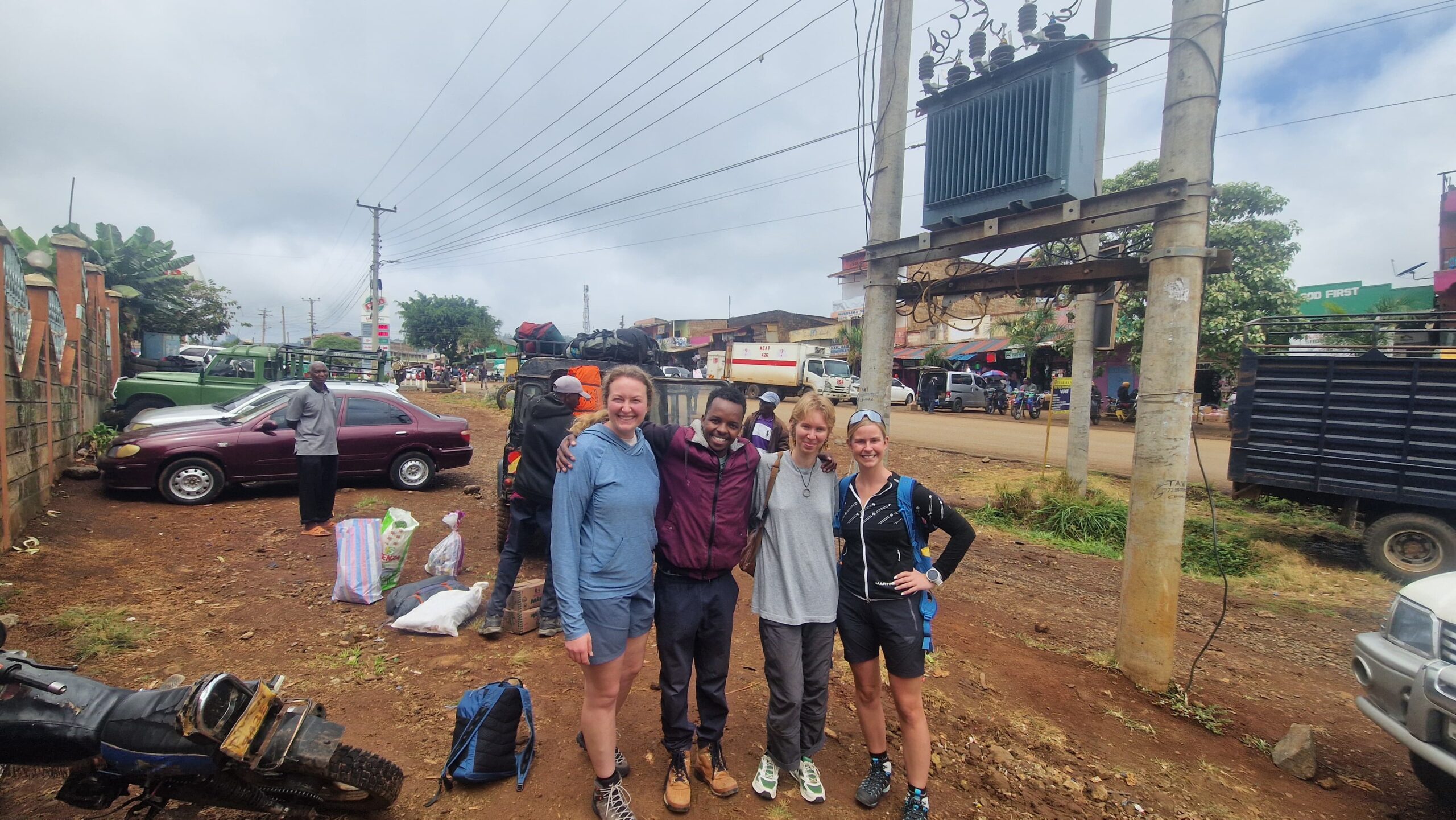
Altitude is the real opponent on any Mount Kenya trekking route, not distance or technical difficulty. Point Lenana sits at 4,985 metres, which is high enough that everyone feels it. The air at Shipton’s Camp is noticeably thinner. You breathe harder and sleep lighter.
A 4-day Mount Kenya trekking itinerary on the Sirimon-Chogoria traverse gains roughly 2,325 metres over three days before the summit push. The 5-day version adds an acclimatisation night around Lake Michaelson at 3,950 metres, which gives your body an extra 24 hours to produce red blood cells. That extra day can be the difference between enjoying Point Lenana’s sunrise and just surviving it.
Summit night starts around midnight. After hot tea you step outside into cold mountain air under a sky packed with stars. Headlamps bob ahead of you as the group moves slowly up the rocky trail. The final section involves some scrambling over rocks. Nothing technical but it demands concentration in the dark. The sun breaks over the eastern plains as you crest the ridge at Point Lenana. Clouds fill the valleys below you. The twin peaks of Batian at 5,199 metres and Nelion at 5,188 metres rise nearby, their glaciers catching the first light.
The descent from the summit is long and hard on your knees. You drop all the way down, losing most of that hard-won altitude in a single day. By evening the thin air is a memory and you are back among trees and birdsong. The body recovers fast once oxygen returns.
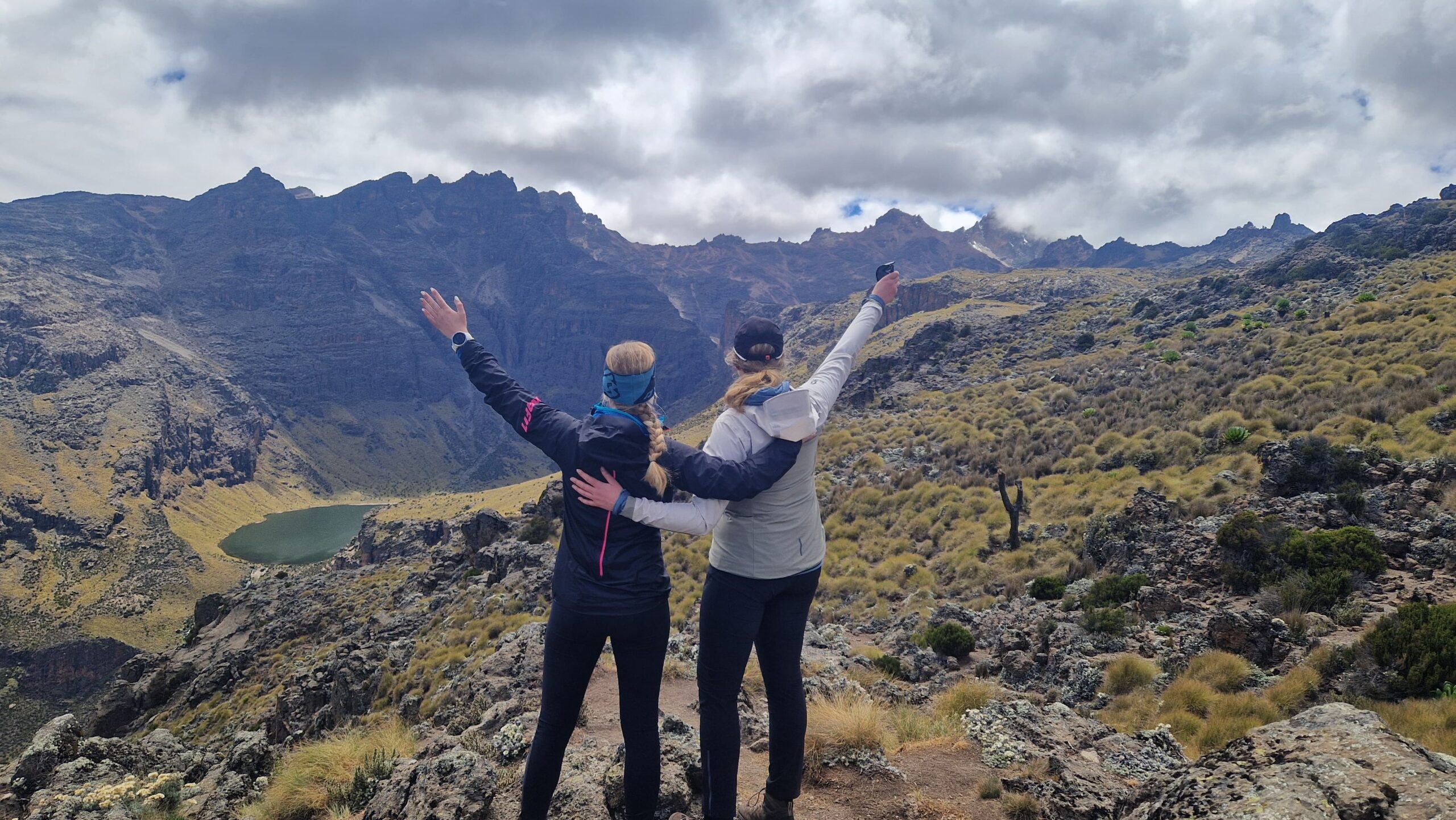
Mount Kenya is Africa’s second-highest mountain. Batian, the true summit, requires technical rock climbing and sees only about 50 ascents a year. Nelion sees roughly 200. Point Lenana, at 4,985 metres, is the trekking peak. About 15,000 people reach it each year without ropes or climbing hardware. That is the summit every Mount Kenya trekking trip aims for.
The mountain sits on the equator but carries glaciers on its highest peaks. Thick montane forest rings the lower slopes, giving way to bamboo, then giant heather, then open moorland with those strange giant lobelias that only grow at high altitude in East Africa. Above the moorland the landscape turns barren: rock, scree and sky. Each vegetation zone shifts within hours of walking, which is part of what makes Mount Kenya trekking packages so different from climbing a single-biome peak like Kilimanjaro.
You do not need to be a mountaineer. You need decent fitness, respect for altitude and enough humility to walk slowly when your body says so. Our 4-day Sirimon-Chogoria trek is designed for first-time high-altitude trekkers with good general fitness. The 5-day Chogoria-Sirimon option adds an extra acclimatisation night at Lake Michaelson for trekkers who want more time on the mountain and a higher summit success rate. Every trek is led by guides who have climbed this mountain hundreds of times and know its weather, its trails and its rhythms.