

How long does it take to climb Mount Kenya? For most trekkers aiming for Point Lenana, the honest answer is 4 to 6 days. You can find very short 3-day plans online but they give your body less time to adjust to altitude. If you want the climb to feel like a mountain journey instead of a lung protest with scenery, plan around 4 or 5 days.
Point Lenana is the main trekking summit on Mount Kenya. Kenya Wildlife Service lists Mount Kenya’s main peaks as Batian at 5,199 m, Nelion at 5,188 m and Point Lenana at 4,984 m. Many operators and route notes use 4,985 m for Point Lenana, including our own Mount Kenya tour data. Either way, you are sleeping and walking high enough for altitude to matter.
The number of days depends on your route, your fitness, your altitude history and how much of the mountain you want to enjoy. A fast climb can work for fit, experienced hikers. A slower climb is usually better for first-time high-altitude trekkers, photographers and anyone flying into Nairobi from sea level.
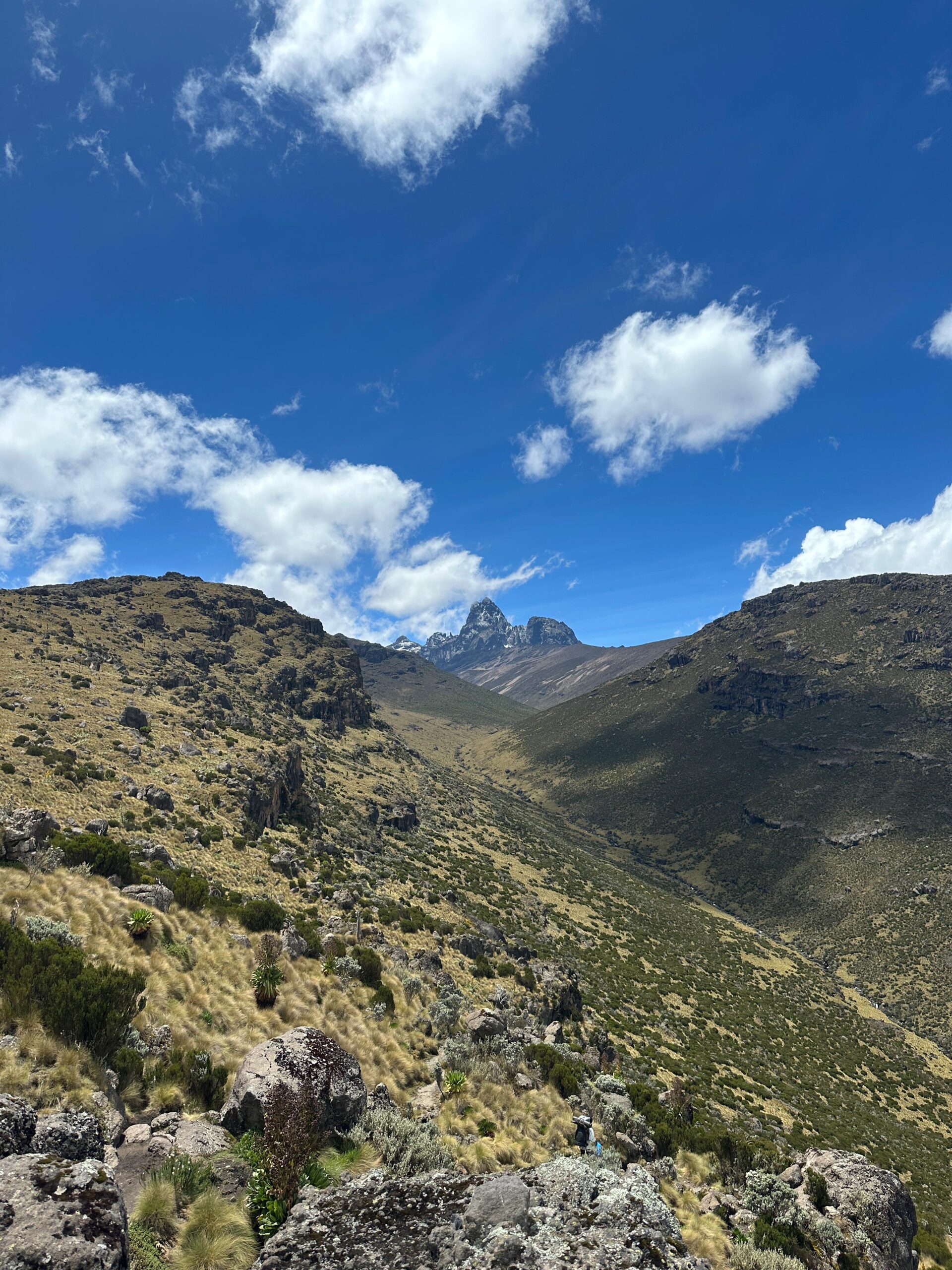
How long does it take to climb Mount Kenya by route?
The common trekking routes to Point Lenana are Sirimon, Chogoria and Naro Moru. Burguret and Timau also lead into the mountain but they are quieter, wilder and less common for first-time visitors. Most international travelers are comparing Sirimon, Chogoria and the Sirimon-Chogoria traverse.
Mount Kenya duration ladder, based on common Point Lenana trek pacing and Daring Escapes tour data
Too rushed for most
Good minimum
Best balance
Slow and scenic
Sirimon route: Sirimon is usually the gentlest ascent profile. Our 4-day Sirimon-Chogoria trek enters at Sirimon Gate, climbs to Old Moses Camp at 3,300 m, continues to Shipton’s Camp at 4,200 m, summits Point Lenana and descends on the Chogoria side. This is a strong 4-day option for travelers with good fitness and limited time.
Chogoria route: Chogoria is the scenic heavyweight. It gives you Nithi Falls, Lake Ellis, Lake Michaelson and the Gorges Valley. Our 5-day Chogoria-Sirimon climb spends a night around Lake Michaelson at 3,950 m before moving to Simba Tarn Camp at 4,600 m. That extra day is the difference between rushing through the beautiful side of the mountain and actually seeing it.
Naro Moru route: Naro Moru is direct and historically popular but it is not the route we push for first-time international trekkers. It climbs fast and has a steeper feel. If you use it, treat 4 days as a minimum rather than trying to compress the mountain.
Burguret and Timau: These are wilder, quieter routes for trekkers who want a more remote approach. They need more planning and stronger support. They are not the simple answer for someone asking how many days Mount Kenya takes.
How long does it take to climb Mount Kenya if you want good acclimatization?
For good acclimatization, 5 days is the cleanest answer. It gives your body more time above 3,500 m before summit night. It also gives your guide more time to read how you are doing: appetite, sleep, headache, pace and recovery. That matters more than bravado. The mountain is very good at roasting overconfident people.
Our 4-day trek is still a proper climb. It works because the Sirimon side gives a steady approach and the Chogoria descent rewards the effort with a different landscape. It is best for hikers with decent conditioning, previous hill days or limited travel dates.
The 5-day climb is better if this is your first time above 4,000 m, if you are arriving from low elevation or if you want the summit morning to feel less like survival maths. It allows a more measured climb through Lake Ellis, Lake Michaelson and Simba Tarn before the pre-dawn push to Point Lenana.
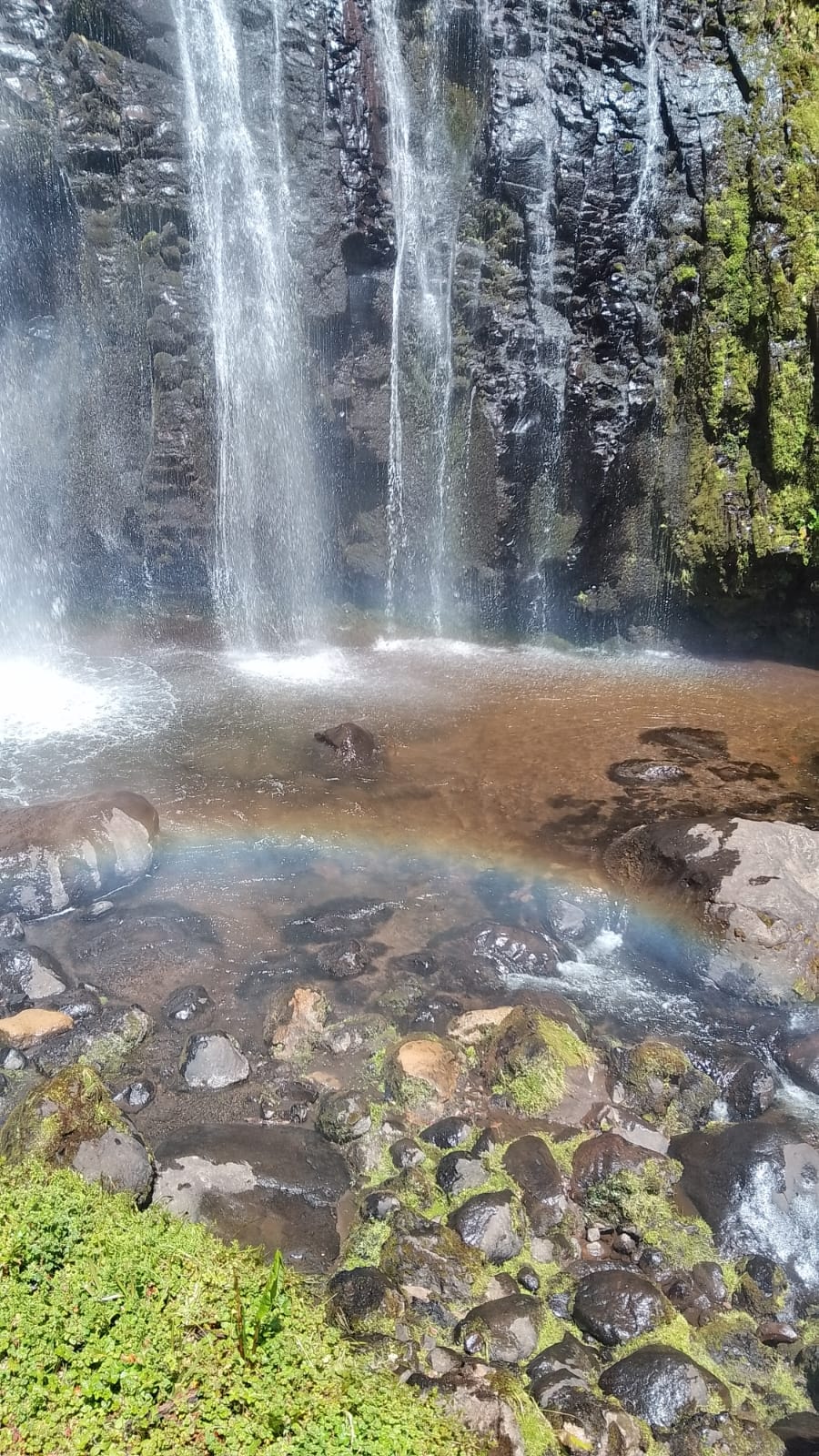
Mount Kenya trek duration: 3 days vs 4 days vs 5 days
A 3-day Mount Kenya climb is the bare-minimum version you will see on some itineraries. It may suit people who already live at altitude or have recent high-altitude trekking experience. For most visitors, especially those landing in Nairobi after a long-haul flight, it is too compressed. You spend less time acclimatizing and more time asking why your head has joined the opposition.
A 4-day climb is the practical minimum we would consider for most fit travelers. It is enough time to move from the forest zone to high camp, summit Point Lenana and descend without turning the whole trip into a sprint. Our 4-day Mount Kenya trek uses Sirimon for the ascent and Chogoria for the descent, which gives a sensible mix of acclimatization and scenery.
A 5-day climb is the best all-round choice. It gives you a stronger rhythm, more rest and a better chance of enjoying the Chogoria side properly. It is the option we prefer for first-time high-altitude trekkers who want a serious climb without feeling rushed.
A 6-day climb is for slower pacing, photography, private groups, older trekkers who prefer more margin or travelers who simply do not want to hurry through the mountain. It is not always necessary but it can make the trip feel generous.
Which duration fits you?
you already handle altitude well and accept a tougher acclimatization profile.
you are fit, short on dates and want the main Point Lenana experience.
you want the best balance of acclimatization, scenery and summit comfort.
you want a slower private pace, more photo time or extra margin.
What a Mount Kenya climb feels like by day
This is not an itinerary sales pitch. It is the rhythm of the mountain, because the days only make sense when you understand what your body is doing.
Day 1 is the adjustment day. You leave Nairobi, enter the park, meet the crew and start moving through forest, bamboo or lower moorland depending on the gate. The hiking is usually manageable. The bigger job is settling into the pace. Good guides slow you down early because altitude problems often begin with people walking too fast while they still feel strong.
Day 2 is where the mountain gets serious. The vegetation opens up, the air thins and the peaks start to feel close. On the Sirimon side, our 4-day trek moves from Old Moses Camp at 3,300 m to Shipton’s Camp at 4,200 m. On the Chogoria side, a 5-day climb may move toward Lake Michaelson at 3,950 m instead of rushing straight to high camp.
Day 3 depends on your plan. On a 4-day trek, this may already be summit night and the long descent. On a 5-day trek, it is usually the move to higher camp, such as Simba Tarn at 4,600 m, with an early dinner before the midnight start. This is where an extra day proves its worth. You reach summit night less battered.
Summit morning is cold, slow and quiet. Most groups start before dawn so they reach Point Lenana around sunrise. The final section is not technical climbing but it does need focus. You are moving in the dark on rock and scree at nearly 5,000 m. Then the sun comes up and everyone briefly forgets the suffering. Very convenient mountain marketing, honestly.
The descent is longer than people expect. After summit photos, you still have hours of downhill walking. The lower you go, the better your breathing feels. Your knees may have complaints. They usually file them formally on the drive back to Nairobi.
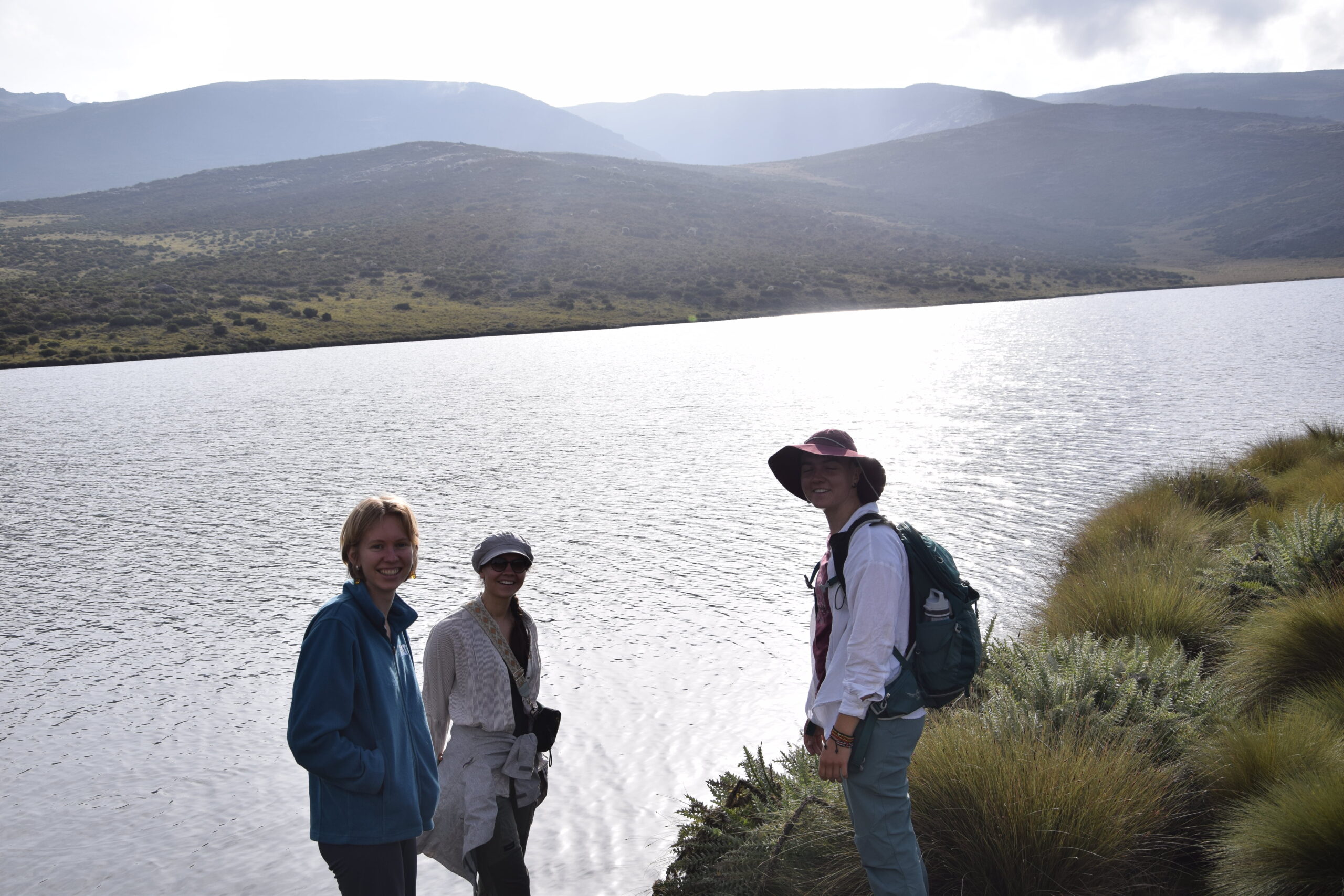
Why more days can make Mount Kenya easier
More days do not remove the work. Mount Kenya is still a high-altitude trek. What extra time does is reduce the pressure on your body. It gives you longer to adapt, more time to eat properly and a better chance of sleeping before summit night.
This is where professional guiding changes the experience. It is not just someone walking in front. A good crew controls pace, checks symptoms, manages meals and water, adjusts breaks and knows when a guest is pushing too hard. Daring Escapes works with vetted mountain crews because the details are not small at altitude. Food, timing, warm drinks, backup plans and honest decisions all matter.
Gate hiring may look simple when you are reading from home. On the ground, it can mean negotiating when you should be resting, trusting people you have not vetted and hoping the support system holds if weather or altitude changes the plan. We prefer to remove that chaos before you reach the mountain. You came to climb, not audition suppliers in a car park.
If you are still comparing routes, read our Best Mount Kenya Routes guide. If you want the wider planning picture, our complete Climbing Mount Kenya guide covers fees, routes and what to expect. For the actual guided trip options, see our 5-day Mount Kenya climb or ask us to compare the 4-day and 5-day options for your dates.
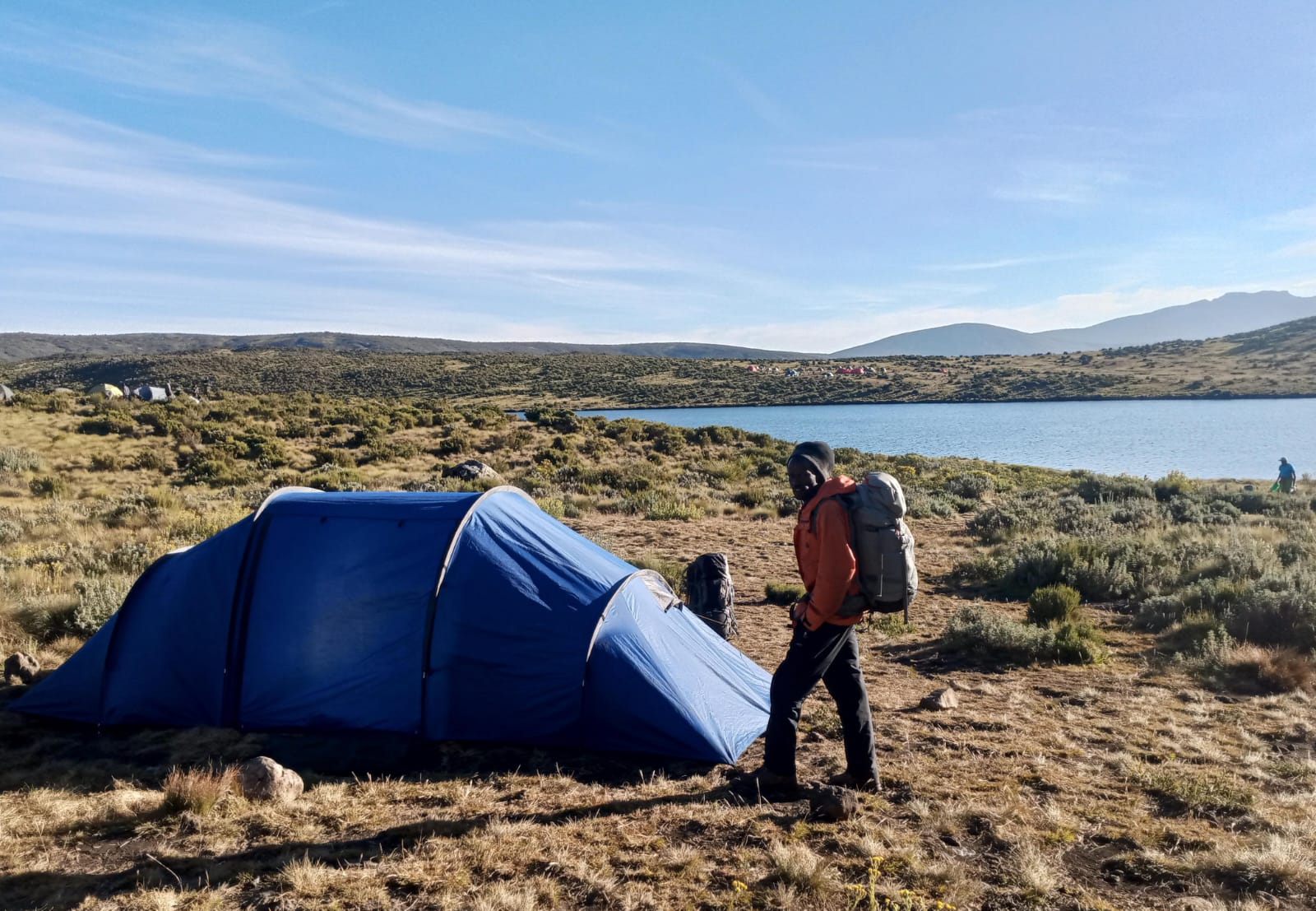
FAQ: how long does it take to climb Mount Kenya?
Can you climb Mount Kenya in 3 days?
Yes, some 3-day Point Lenana treks exist. We do not recommend that pace for most international travelers because it gives less time to acclimatize. It is better suited to hikers with recent altitude experience.
Is 4 days enough for Mount Kenya?
Yes, 4 days can be enough for fit trekkers on a well-paced route. Our 4-day Sirimon-Chogoria trek uses Sirimon for the ascent and Chogoria for the descent, which gives a practical balance of access, acclimatization and scenery.
Is 5 days better than 4 days on Mount Kenya?
For most first-time high-altitude trekkers, yes. A 5-day climb gives better acclimatization, more rest and more time on the scenic Chogoria side before summit night.
How long is the climb to Point Lenana?
Most Point Lenana treks take 4 to 6 days. The summit itself is usually reached before sunrise from high camp, then followed by a long descent the same day.
Which Mount Kenya route is fastest?
Naro Moru is one of the more direct routes but fastest is not always best. Sirimon is usually a better practical ascent for many trekkers because of its steadier profile. Chogoria is slower but more scenic.
How many days do I need if I am a beginner?
Plan for 5 days if you are a beginner and this is your first time near 5,000 m. If you are fit and short on dates, 4 days may work. If you are unsure, get in touch and we will help you pick the pace that fits your body, your dates and your experience level.