

Kenya’s coast is not just one beach destination.
From Diani’s turquoise coastline to the slower Swahili atmosphere of Lamu, every part of the Indian Ocean feels completely different.
This guide breaks down the best beaches in Kenya and which coastal experience actually fits your trip.
The Many Different Sides of Kenya’s Coastline
Kenya’s coastline is not one single beach destination.
The atmosphere changes constantly depending on where you go along the Indian Ocean.
Some parts of the coast feel lively and social beneath palm trees, beach bars, and kitesurfing sails moving across turquoise water.
Others feel slower, quieter, and shaped more by tides, dhow boats, mangrove forests, and centuries of Swahili culture than nightlife or resorts.
From Diani’s white sand and vibrant beach scene to the coral reefs of Watamu and the hidden island atmosphere around Lamu, the Kenyan coast offers completely different versions of the tropical Indian Ocean experience.
Diani Beach: Kenya’s most iconic tropical coastline
Diani is the version of Kenya’s coast most people imagine before arriving.
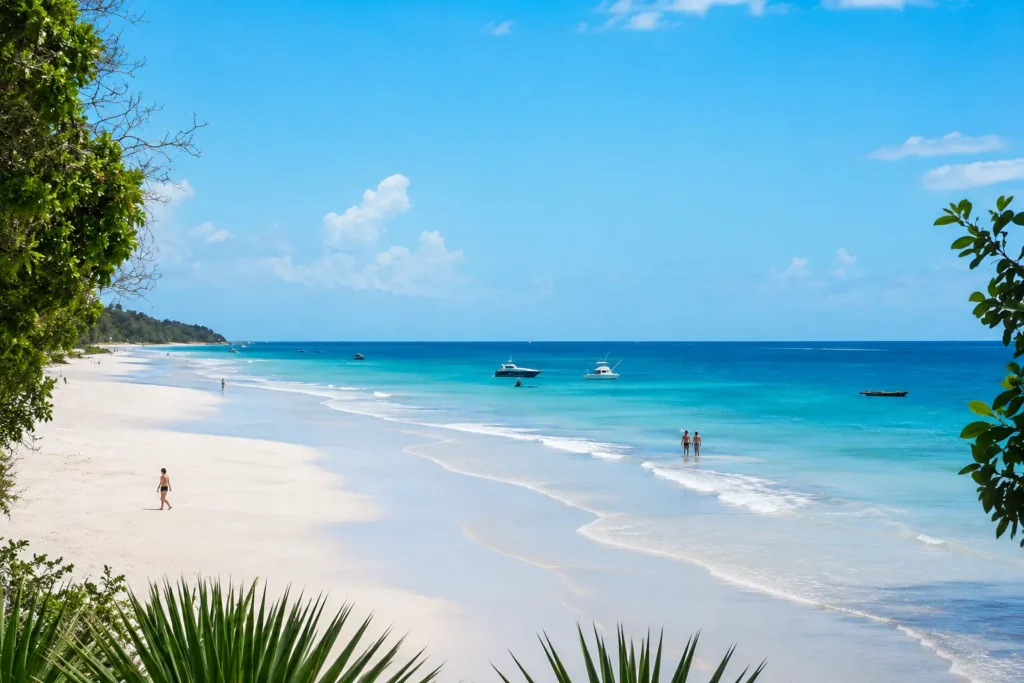
Long stretches of white sand, turquoise Indian Ocean water, palm trees leaning toward the beach, and dhow boats drifting slowly across the horizon.
Located south of Mombasa near Ukunda, Diani feels more developed and international than most other beach destinations in Kenya, but that is also part of its appeal.
The beaches stay wide, the water remains warm year-round, and there is enough happening here to balance relaxation with adventure almost effortlessly.
The tides constantly reshape the coastline throughout the day.
During high tide, the ocean turns deep turquoise and becomes perfect for swimming, kitesurfing, paddleboarding, jet skiing, and dhow sailing.
At lower tide, sandbars and sections of coral reef appear further offshore, especially beautiful during early morning beach walks.
Diani is also one of Kenya’s strongest destinations for scuba diving and snorkeling, with coral reefs, tropical fish, sea turtles, rays, and occasional dolphins moving through deeper sections of the coast.
The area also works well for day trips toward Wasini Island, Kisite Marine Park, Shimba Hills, and dhow cruises along the coast.
The atmosphere changes depending on where you stay.
Some sections feel quieter and luxury-focused with boutique resorts and private villas hidden beneath palm trees, while areas closer to the beach clubs and bars become far livelier after sunset, especially during weekends and holidays.
But Diani is not perfect for everyone.
Parts of the beach can feel busy during peak season, vendors are common in some areas, and tides occasionally make swimming difficult depending on the time of day.
Still, for travellers looking for the classic tropical Kenya coastline with beach life, ocean activities, nightlife, and easy logistics all together, Diani remains one of the strongest destinations anywhere along the East African coast.
Watamu: coral reefs, marine parks, and a slower coast
Watamu feels calmer than Diani almost immediately.
The atmosphere shifts away from beach clubs and nightlife toward coral reefs, mangrove channels, dhow boats, and quieter stretches of coastline shaped more by nature than resorts.
Located north of Mombasa near Malindi, Watamu is best known for its marine life and protected ocean ecosystems.
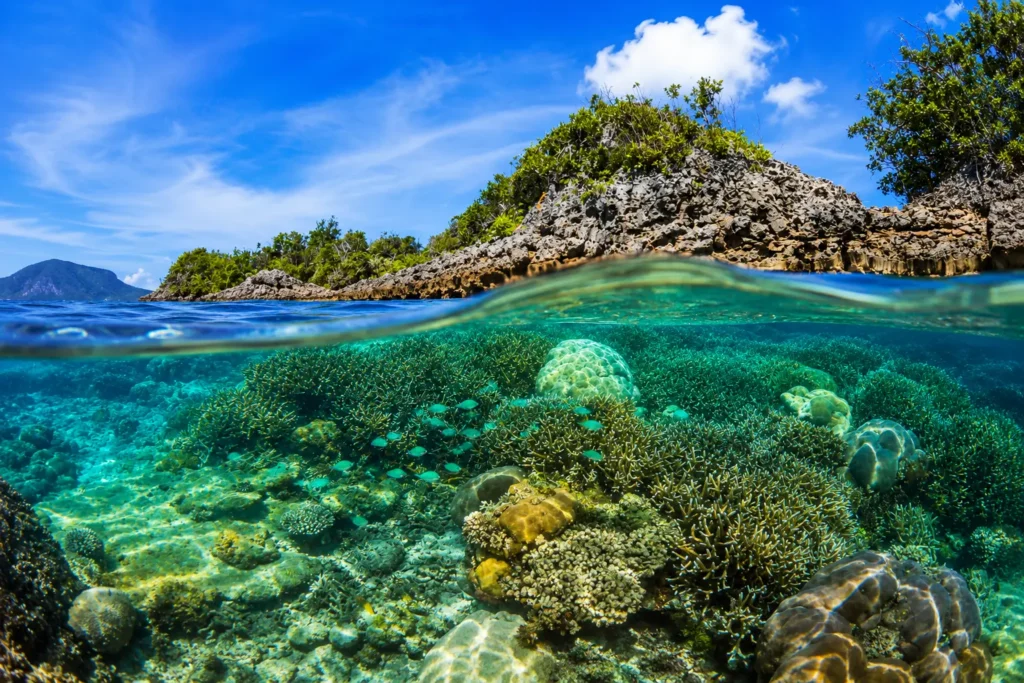
The Watamu Marine National Park is one of the oldest marine parks in East Africa, with clear water, coral gardens, sea turtles, tropical fish, and seasonal dolphin sightings attracting snorkelers and divers throughout the year.
The coastline itself constantly changes with the tides.
During low tide, sandbanks and shallow turquoise lagoons appear along the shore, while traditional dhow boats move slowly across the channels connecting the ocean to nearby mangrove forests and creeks.
Ocean activities here feel quieter and more eco-focused than in Diani.
Snorkeling, scuba diving, paddleboarding, kayaking through mangroves, and sailing trips at sunset are some of the main experiences, especially during calmer sea conditions between December and March.
Watamu is also one of Kenya’s most important turtle conservation areas, with several local projects protecting nesting beaches and injured turtles along the coast.
The town itself stays relatively small and relaxed.
Boutique hotels, eco lodges, beachfront villas, and smaller restaurants are spread quietly between palm trees rather than concentrated into one busy nightlife area.
For travellers looking for a slower Indian Ocean atmosphere focused more on marine life, nature, and quieter beaches than nightlife or resorts, Watamu feels completely different from the busier southern coast around Diani.
Lamu: Kenya’s most unique coastal experience
Lamu does not feel like the rest of Kenya’s coastline at all.
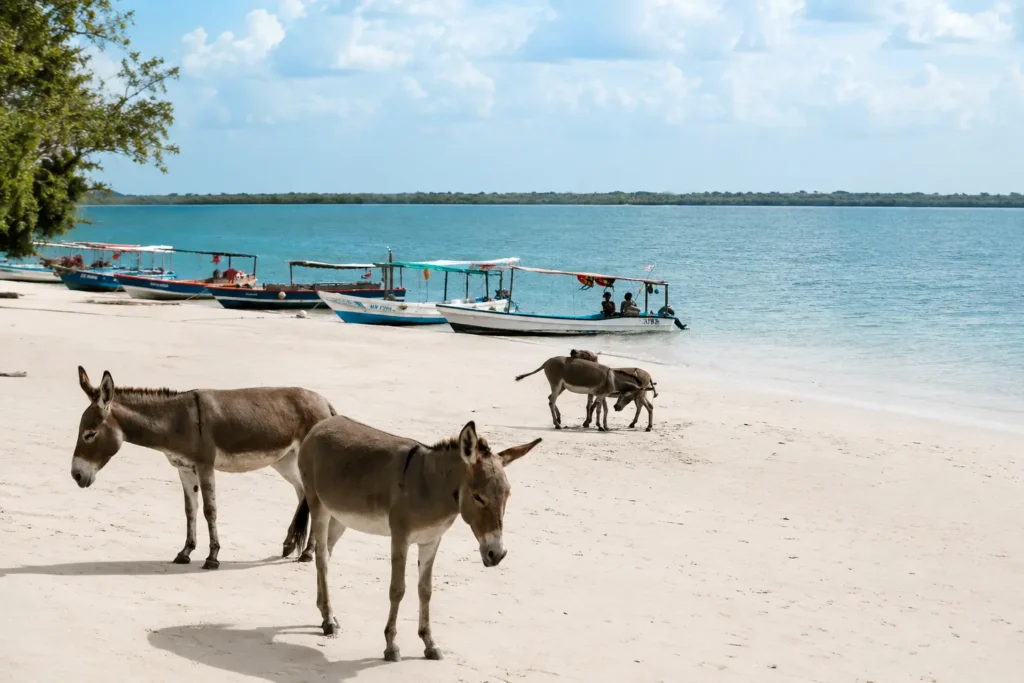
There are no cars moving through the old town, only narrow alleyways, carved wooden doors, dhow boats drifting through the tides, and donkeys still carrying goods between the streets exactly as they have for generations.
Located far north near the Somali border, Lamu feels shaped more by Swahili history, ocean trade, and island life than tourism itself.
The atmosphere is quieter, older, and far slower than the beach resort coastline further south.
Lamu Town is the cultural heart of the island, with rooftop cafés, mosques, hidden courtyards, and the call to prayer echoing across coral stone buildings as the heat slowly fades after sunset.
During Ramadan especially, the island takes on an even calmer and more atmospheric rhythm.
Nearby Shela offers a completely different side of the island again.
Huge empty beaches, sand dunes, dhow sailing, and long stretches of coastline make the area feel far more open and isolated than the narrow streets of the old town.
Most people do not come to Lamu for packed itineraries.
They come for the atmosphere itself.
And honestly, that slower rhythm is exactly what makes the island unforgettable.
Other beaches worth exploring along the Kenyan coast
Some of Kenya’s best coastal experiences are not necessarily the most famous ones.
Kilifi Creek offers a quieter and more secluded atmosphere surrounded by mangroves, dhow boats, and slower coastal life away from the busier resort areas further south.
The area has become especially popular for boutique stays, kayaking, sailing, and relaxed beach escapes with a more local atmosphere.
Closer to Mombasa, Nyali Beach feels far livelier and more accessible, combining beach resorts, restaurants, nightlife, and water sports directly beside the city.
It works especially well for shorter coastal stays or travellers wanting easier logistics without leaving the urban coastline completely behind.
Further south near Diani, Tiwi Beach stays much quieter and less developed, known for its turquoise natural pools appearing during low tide and a far more relaxed atmosphere compared to the larger resort beaches nearby.
And north of Malindi, Mambrui Beach feels completely different again.
Wide golden sand dunes stretch beside the Indian Ocean, creating one of the most unique coastal landscapes in Kenya and one of the country’s best spots for kitesurfing during windy seasons.
So, which part of Kenya’s coast actually fits your trip?
Choose Diani if you want the classic tropical coastline experience: white sand, turquoise water, ocean activities, beach clubs, and a livelier atmosphere that balances relaxation with adventure.
Choose Watamu if marine life, coral reefs, mangroves, snorkeling, and a slower eco-focused coast sound more like your version of the Indian Ocean.
Choose Lamu if you want something quieter, more cultural, and completely different from the typical beach destination.
A place shaped more by dhow boats, Swahili history, tides, and atmosphere than resorts or nightlife.
Choose Nyali if you want easier access from Mombasa, shorter beach stays, restaurants, nightlife, and a more social urban coastline experience.
And honestly, that is what makes Kenya’s coast so special after long safari days, dusty national parks, and busy cities.
The coastline never feels like just one destination.
One moment you are watching elephants beneath Kilimanjaro or hiking through mountain forests, and the next you are barefoot beside the Indian Ocean at sunset.